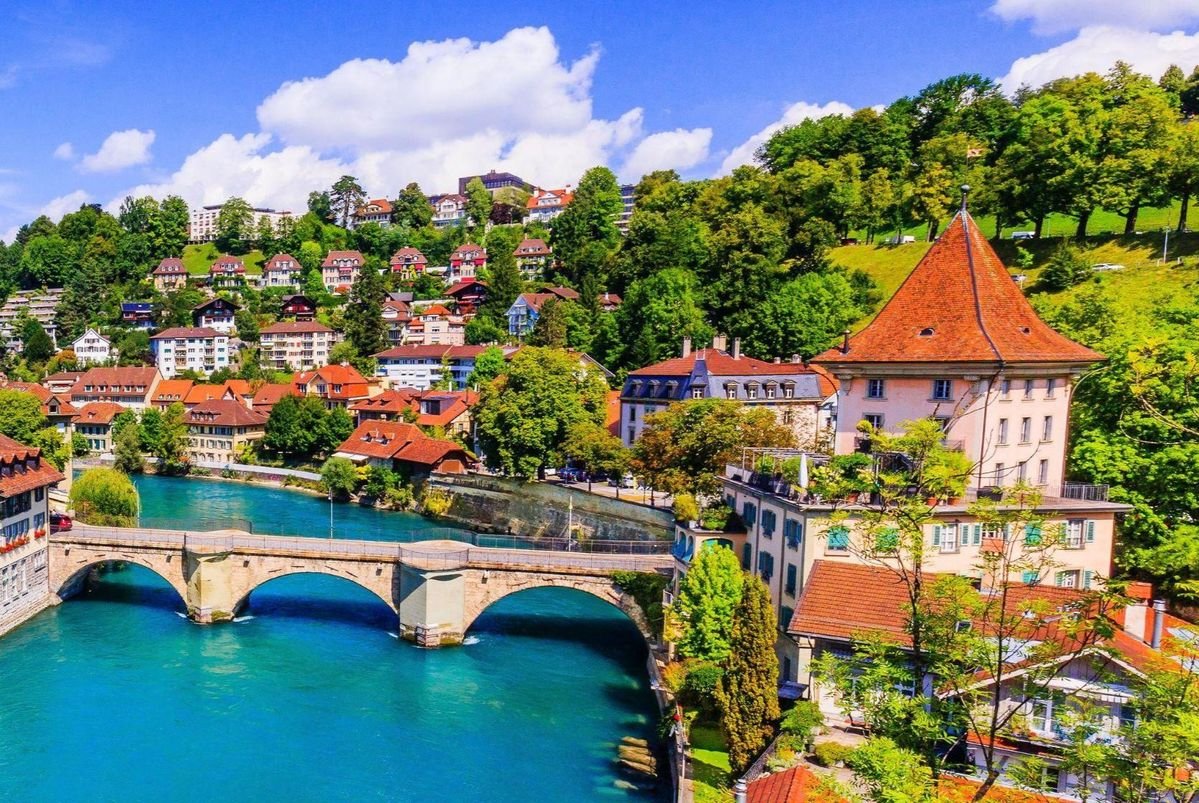
6 Personal Solo Weekend Trips Budget Lessons I Learned the Hard Way
Solo weekend trips look simple on social media. A backpack, a sunset, a cozy hostel, maybe a coffee in a quiet café with a view. It all feels light, almost effortless. The reality is different when you’re the one paying for every mistake, every wrong turn, and every “I didn’t think of that” moment.
Over time, I stopped treating weekend solo trips like mini vacations and started seeing them as small financial ecosystems. Every decision had a cost. Some costs were obvious, like hotels and transport. Others were hidden, like convenience spending, emotional exhaustion purchases, and poor planning penalties.
These are the six budget lessons I learned the hard way. Not theory. Real mistakes, real money lost, and real adjustments that changed how I travel now.
Lesson 1: “Cheap accommodation” is not always cheap in practice
The first time I planned a solo weekend trip on a tight budget, I picked the cheapest possible hostel without thinking twice. The price looked perfect. It was almost half of everything else in the area.
What I didn’t calculate was location cost.
The hostel was far from the main attractions. Every ride required transport. Walking wasn’t realistic due to distance and safety at night. I ended up spending more on ride-hailing apps in two days than I saved on accommodation.
On top of that, there were hidden costs:
- No free breakfast, so I bought food outside
- Weak Wi-Fi, so I used mobile data heavily
- Poor sleep, which made me spend more on coffee and snacks the next day
By the end of the weekend, my “budget stay” was more expensive than mid-range hotels nearby.
The lesson: accommodation is not just a price tag. It is a location + comfort + transport equation. The cheapest option only works if it reduces costs elsewhere, not increases them indirectly.
Lesson 2: Weekend transport can silently destroy your budget
I used to think transport was a fixed cost. You book a ticket, you arrive, done. Solo weekend trips proved me wrong.
In reality, transport is fragmented:
- Getting to the city
- Getting from station/airport to accommodation
- Daily movement inside the city
- Unplanned detours or wrong turns
The mistake I made early on was not planning “micro transport.”
For example, I once booked a cheap bus to a coastal city. The bus itself was fine, but it dropped passengers far from the center at night. I had to take a private taxi because local transport had stopped running.
That one ride cost almost 40% of my total travel budget.
Now I always check:
- How far is arrival point from actual stay?
- Are local buses reliable at night?
- Is walking realistic or just theoretical on maps?
Transport is not one expense. It is a chain reaction of expenses.
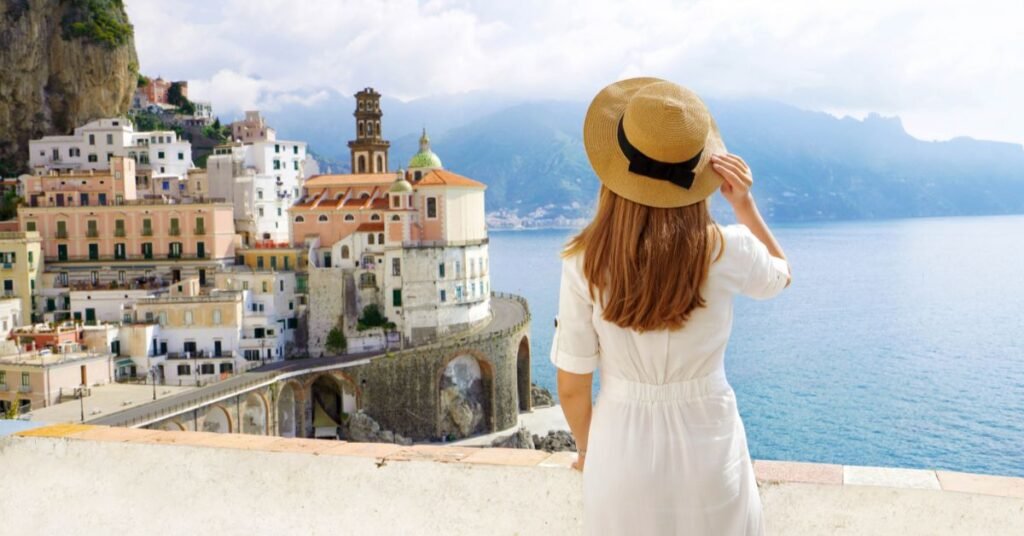
Lesson 3: Food spending is emotional, not logical
This was the most surprising lesson.
I assumed food would be easy to control. I even planned a daily budget. But solo travel changes how you eat.
When you’re alone in a new place, food becomes:
- Entertainment
- Comfort
- Time filler
- Reward system
I noticed I wasn’t just eating because I was hungry. I was eating because I was:
- Bored between activities
- Tired after walking
- Seeking comfort in unfamiliar places
So instead of one proper meal, I would end up with:
- Coffee stops
- Snacks on the go
- Random desserts
- Late-night convenience food
Individually, nothing felt expensive. Collectively, it added up fast.
The biggest turning point was when I started using a simple rule: one planned meal + one flexible meal per day. Everything else had to be intentional, not emotional.
That small structure cut my food spending almost in half without making me feel restricted.
Lesson 4: “Free time” is where money disappears
No one warns you about this part.
When your itinerary has gaps, money starts leaking.
On my early solo trips, I left large portions of the day unplanned thinking I wanted “freedom.” What actually happened was:
- I wandered into paid attractions I didn’t plan for
- I sat in cafés longer than needed
- I browsed shops just to pass time
- I bought small things out of boredom
Free time without structure becomes spending time.
I remember one trip where I had a 4-hour gap before my train. I told myself I’d just relax. That turned into:
- A museum ticket I didn’t really want
- A café stop
- A souvenir I didn’t need
None of it was necessary. All of it felt justified in the moment.
Now I treat “empty time” like planned space. I decide in advance:
- Free walking routes
- Public parks or free viewpoints
- Reading or journaling time
- Rest time at accommodation
If I don’t plan rest, I end up buying entertainment.
Lesson 5: Packing light saves more than luggage fees
I used to think packing was just about convenience. Then I realized it directly affects spending behavior.
When I pack heavy:
- I rely more on taxis instead of walking
- I feel less flexible moving around
- I pay luggage fees or storage costs
- I overpack “just in case” items that I never use
But the biggest impact is psychological. Heavy luggage makes you feel like you’re staying longer or need more “comfort,” which often leads to unnecessary purchases.
On one trip, I carried a full backpack and a small suitcase for a 2-day weekend. I ended up booking extra transport just to avoid walking long distances with it.
Now I follow a strict rule:
If I can’t carry it comfortably for 15–20 minutes, I don’t bring it.
That single shift reduced not just transport costs, but also impulse spending.

Lesson 6: The real budget killer is lack of post-trip reflection
This is the lesson most people never talk about.
After each trip, I used to just move on. No review, no breakdown, no learning cycle. That meant I kept repeating the same mistakes in different cities.
When I finally started reviewing my spending after each weekend trip, patterns became obvious:
- I always overspent on transport on day 1
- I always underestimated food costs on day 2
- I always had “random purchases” in the middle of the trip
Once I saw the pattern, I could actually fix it.
Now I do a simple breakdown after every solo trip:
- What I planned to spend
- What I actually spent
- Where the biggest surprises came from
It turns travel into a feedback system instead of guesswork.
And that’s where the real improvement happens—not during the trip, but after it.
Conclusion
Solo weekend trips are often sold as simple escapes, but budget control is rarely simple. The truth is, small decisions multiply quickly when you’re alone, and there’s no one to balance your spending in real time.
The biggest shift for me was realizing that budgeting travel isn’t about restriction. It’s about awareness. Once you see where money actually leaks—transport chains, emotional food spending, unplanned gaps, and convenience decisions—you stop treating your budget as a fixed number and start treating it as a system.
And systems can be improved.
FAQs
- Are solo weekend trips really cheaper than group travel?
Not always. Solo trips give you control, but you also carry all costs alone. Group travel can split transport and accommodation, but may increase spending in other ways like group activities or less flexible bookings. - What is the most common budget mistake solo travelers make?
Underestimating “small” expenses like local transport, snacks, entry fees, and convenience purchases. These often exceed the main planned costs. - How much buffer money should I keep for a weekend solo trip?
A safe buffer is around 15–25% of your total planned budget. This covers emergencies, transport changes, and spontaneous but necessary expenses. - Is it better to pre-book everything or stay flexible?
A balanced mix works best. Pre-book essentials like accommodation and main transport, but leave room for flexible activities so you don’t overpay for rigid plans. - How do I stop overspending on food while traveling alone?
Plan at least one meal in advance per day, prefer local affordable spots, and avoid using food as a default activity when bored. - What’s the simplest way to improve my travel budgeting skills?
Track every expense after each trip and review patterns. Real improvement comes from noticing where your money actually goes, not just setting a budget.