8 powerful solo weekend trips destinations for self-discovery
There’s a peculiar kind of silence you only hear when you travel alone. It’s not the absence of sound, but the quieting of expectations—the ones other people carry for you, and the ones you rarely question. A solo weekend trip, short as it may be, has a strange way of peeling those layers back. You begin by planning logistics, but somewhere between the packing and the return journey, something less visible shifts.
This is not a guide about ticking off places. It’s about stepping into spaces that invite reflection, discomfort, curiosity, and sometimes, a surprising sense of peace. Each destination below is not just a location, but a setting for a conversation with yourself.
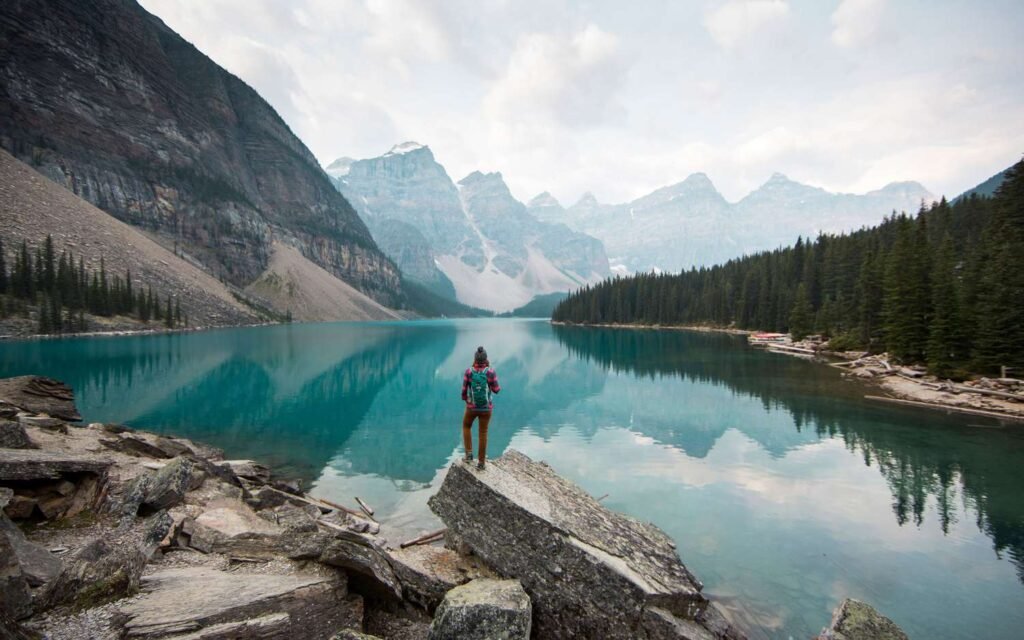
- the mountains where your thoughts echo back
There’s something about mountains that refuses to let you stay distracted. The climb demands attention. The thin air forces you to breathe consciously. And the vastness—well, it makes your problems feel proportionate, sometimes even small.
A solo weekend in the mountains is less about conquering peaks and more about observing your own rhythm. You wake up early because the light insists on it. You walk not because you have to, but because staying still feels unnatural in a place that is constantly rising.
What makes this powerful for self-discovery is the way mountains mirror your internal state. If you’re restless, the climb feels endless. If you’re patient, every step feels like progress. Somewhere along a quiet trail, without any dramatic revelation, you start noticing how you react to effort, solitude, and silence.
Try this: leave your headphones behind. Let your thoughts come unfiltered. It may feel uncomfortable at first, but that discomfort is often where the real insights begin.
- the coastal town that teaches you to pause
The sea doesn’t rush, and yet it never stops moving. Spending a weekend by the coast can subtly recalibrate your sense of urgency. You sit by the water, watching waves fold into each other, and suddenly your own timeline feels less rigid.
Solo travel here is about unstructured time. Walk along the shore without a destination. Sit in a small café and watch people pass by. Write, if you feel like it. Or don’t.
The beauty of a coastal escape lies in its repetition. Waves, tides, sunrise, sunset—everything returns, slightly different each time. It reminds you that not everything in life needs a breakthrough. Sometimes, growth is quiet and cyclical.
A simple exercise: ask yourself what you’ve been rushing toward. Then ask why. The answers may not come immediately, but the questions themselves are worth carrying.
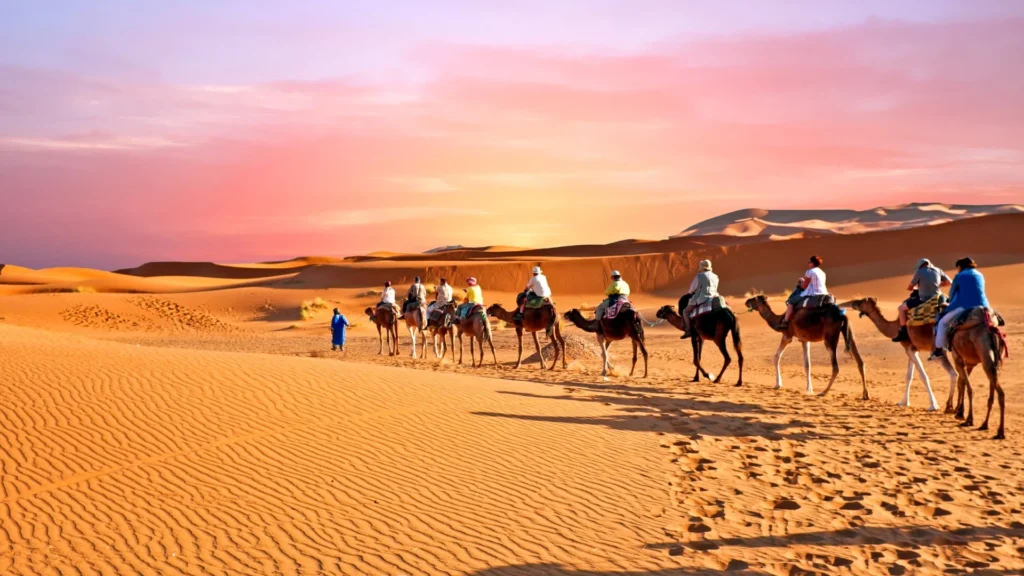
- the desert that strips everything down
Deserts are often misunderstood. People imagine emptiness, but what they offer is clarity. With fewer distractions, fewer colors, fewer noises, you begin to notice what usually gets drowned out.
A weekend in the desert can feel almost confrontational. There’s nowhere to hide—from the heat, from the vastness, or from your own thoughts. But that’s precisely what makes it transformative.
The landscape doesn’t entertain you. It invites you to sit with yourself. And in doing so, it reveals patterns—habits of thinking, recurring worries, quiet desires you’ve ignored.
At night, when the sky opens up in a way city lights never allow, you may feel something shift. Not necessarily answers, but perspective. You’re part of something much larger, and that realization can be both humbling and freeing.
- the forest that reconnects you with your senses
Forests are immersive. They don’t just surround you; they pull you in. The scent of damp earth, the rustle of leaves, the filtered sunlight—everything engages your senses in a way modern environments rarely do.
A solo weekend in a forest isn’t about doing more. It’s about noticing more. You begin to pay attention to small details—the texture of bark, the rhythm of your footsteps, the way light changes throughout the day.
This heightened awareness often spills inward. You become more attuned to your own thoughts and emotions, not in an overwhelming way, but in a grounded, almost gentle manner.
One practice that works well here is mindful walking. No destination, no pace to maintain. Just walk and observe. It sounds simple, but it can reveal how often your mind drifts, and how rarely you’re fully present.
- the old city that reflects your identity
Walking alone through an old city, with its narrow streets and layered history, can feel like stepping into a living narrative. Every building has a story. Every corner hints at a past that continues to shape the present.
For solo travelers, this setting becomes a mirror. You begin to think about your own story—where you’ve come from, what has shaped you, what you carry forward.
There’s also a certain anonymity in being alone in a place where no one knows you. It can be liberating. You’re not defined by your roles or expectations. You’re just a person moving through a space, observing, absorbing.
Spend time in local markets, small eateries, quiet courtyards. Listen more than you speak. Sometimes, understanding others’ stories can illuminate your own.
- the countryside that slows everything down
If your daily life is fast-paced, a quiet countryside retreat can feel almost disorienting at first. There’s less to do, fewer places to go, and more time than you’re used to having.
But that’s where its power lies.
A solo weekend here is about adjusting to a slower rhythm. You wake up with the sun, eat simple meals, maybe take a long walk or sit under a tree. There’s no urgency, no constant stimulation.
In this slower space, you may notice how much of your identity is tied to productivity. Without tasks to complete, who are you? It’s not an easy question, but it’s an important one.
Try journaling here. Not structured, not forced. Just write whatever comes to mind. Over time, patterns may emerge—things you value, things you avoid, things you want to change.
- the spiritual retreat that invites introspection
You don’t have to be deeply spiritual to benefit from a retreat. What matters is the intention to step back and look inward.
A weekend at a meditation center, yoga retreat, or any quiet sanctuary can provide a structured environment for self-reflection. There’s often a routine—meditation sessions, simple meals, periods of silence.
This structure can be surprisingly helpful. It removes decision fatigue and creates space for deeper thinking.
Silence, in particular, can be powerful. Without the need to respond, explain, or engage, you begin to notice the constant chatter in your mind. And gradually, you learn to observe it without getting lost in it.
It’s not about achieving some profound enlightenment in two days. It’s about becoming a little more aware, a little more present.
- the unfamiliar city that pushes you out of your comfort zone
Not all self-discovery is quiet. Sometimes, it comes from stepping into the unknown and figuring things out as you go.
A solo weekend in a completely unfamiliar city—different language, different culture, different rhythms—can challenge you in unexpected ways. You navigate new systems, communicate in creative ways, adapt to unfamiliar norms.
In doing so, you learn about your resilience. Your ability to handle uncertainty. Your openness to new experiences.
There will be moments of confusion, maybe even frustration. But there will also be moments of connection—a shared smile, a helpful gesture, a small success that feels significant.
These experiences build confidence, not in a loud, obvious way, but in a quiet understanding that you can handle more than you think.
bringing it all together
Self-discovery doesn’t happen in a single moment or place. It’s a gradual process, shaped by experiences, reflections, and sometimes, simple observations.
A solo weekend trip won’t solve everything. But it can create the conditions for something to shift. A new perspective, a clearer thought, a subtle realization.
The key is intention. Not in the sense of having specific goals, but in being open to whatever the experience brings. Some trips may feel transformative. Others may feel uneventful. Both are valid.
What matters is showing up—for the place, and for yourself.
frequently asked questions
- is a weekend really enough for self-discovery?
A weekend won’t lead to complete transformation, but it can spark important insights. Even a short break from routine can create space for reflection and clarity.
- what if i feel lonely during a solo trip?
Loneliness can happen, especially at first. Instead of resisting it, try to observe it. Often, it reveals what you value in connection and what you might be missing in daily life.
- do i need to plan everything in advance?
It’s helpful to have basic logistics sorted, but leaving room for spontaneity can make the experience more meaningful. Some of the best moments are unplanned.
- how do i stay safe while traveling alone?
Choose destinations carefully, stay aware of your surroundings, keep someone informed about your plans, and trust your instincts. Preparation goes a long way.
- what should i do if i don’t have any “deep” realizations?
Not every trip will feel profound, and that’s okay. Self-discovery is not always dramatic. Sometimes, it’s subtle shifts in perspective that matter most.
- can solo travel become addictive?
In a way, yes. The freedom and clarity it offers can be appealing. But it’s important to balance it with connections and responsibilities in your regular life.
In the end, solo travel is less about escaping your life and more about understanding it. Each destination, each moment, adds a small piece to a larger picture—one that you’re constantly creating, whether you realize it or not.