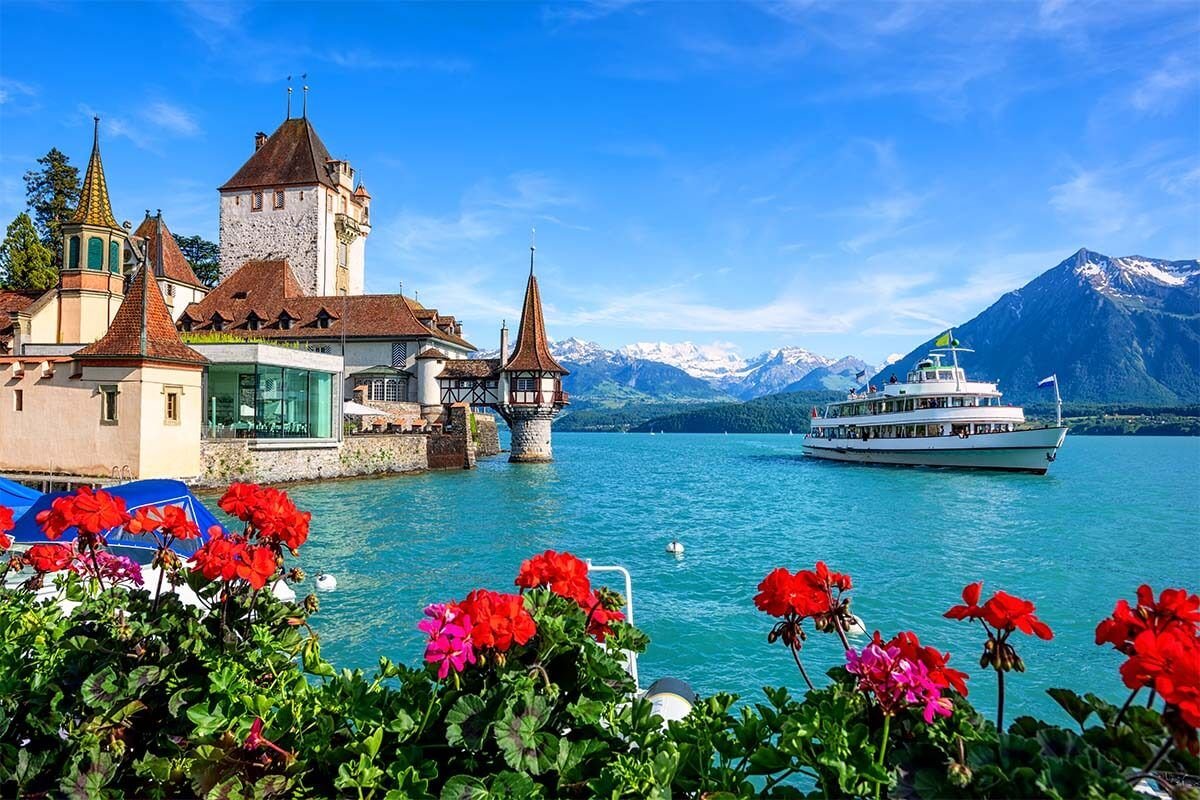
finding time to travel when your calendar looks like a battlefield is less about luxury and more about intention. busy people rarely lack the desire to explore; what they lack is space. and yet, in those narrow windows between deadlines and responsibilities, there is a quiet opportunity—one that doesn’t require weeks of planning or long-haul flights. a weekend, when used well, can reset your mental state, refresh your perspective, and remind you that life exists beyond routines.
this piece is not just a list of places. it’s a way of thinking about travel when time is scarce. each destination below is chosen with a simple idea in mind: minimal planning, maximum experience. these are places where you can arrive quickly, settle instantly, and leave feeling like you’ve lived a little more than you did on friday.
the first destination: the quiet mountain retreat
there’s something about mountains that doesn’t ask questions. they don’t care about your unread emails or your meetings next week. they simply exist, and in doing so, they pull you out of your usual noise.
a quick solo weekend in a nearby mountain town—whether it’s somewhere like murree, hunza, or any lesser-known hill station—works because it strips things down. you don’t need an itinerary. in fact, the less you plan, the better it feels.
arrive early saturday morning. check into a small guesthouse, preferably one with a balcony or a view that doesn’t feel staged. leave your phone charging and step outside. the air itself feels like a reset button. even a slow walk becomes meaningful here. you notice things—how the wind moves through trees, how distant voices echo differently.
what makes this kind of trip powerful for busy people is its simplicity. you’re not chasing attractions. you’re just present. and by sunday evening, when you’re heading back, you realize something subtle has shifted. your thoughts feel less cluttered. your pace, even if temporary, has slowed.
the second destination: the old city escape
if mountains are about silence, old cities are about texture. walking through narrow streets that have existed longer than your worries puts things into perspective.
choose a historic town or district—somewhere with layered architecture, street food, and a pace that feels slightly detached from modern rush. places like lahore’s old city, peshawar’s historic quarters, or even smaller heritage towns can offer this experience.
the trick here is to wander without urgency. don’t rush from one landmark to another. instead, pick a direction and walk. let curiosity guide you. stop for tea in a place that looks unremarkable. watch how people interact. listen to conversations you don’t fully understand.
this type of trip works well for busy people because it engages the mind differently. instead of thinking about tasks, you’re absorbing stories. every street corner feels like a narrative. every building has a history you can’t fully grasp, and that’s okay.
spend your evening in a small café or rooftop spot, letting the city settle into its night rhythm. by sunday, you’ll feel like you’ve traveled much further than you actually have—not in distance, but in experience.
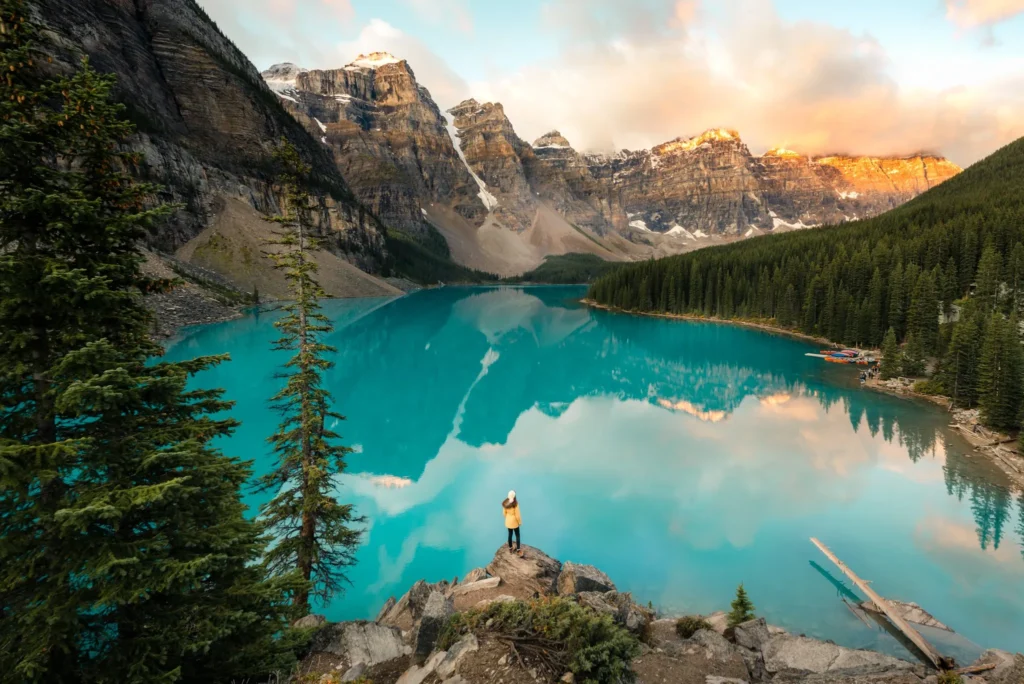
the third destination: the lakeside pause
water has a way of calming things you didn’t even realize were tense. a short trip to a lakeside destination offers a different kind of stillness compared to mountains.
pick a place where the lake is the main attraction. it doesn’t need to be famous. in fact, quieter is better. arrive, check in, and resist the urge to fill your time with activities.
sit by the water. that’s it.
it sounds almost too simple, but that’s exactly why it works. busy lives are filled with constant input—notifications, conversations, expectations. sitting by a lake interrupts that pattern. the repetitive motion of water, the subtle sounds, the open space—it all works together to slow your internal rhythm.
if you feel restless, take a small boat ride or walk along the edge. but keep it light. this is not about doing more; it’s about doing less without feeling guilty about it.
by the time you leave, you’ll notice how your mind feels less reactive. things that seemed urgent before now feel manageable. that’s the quiet power of a lakeside weekend.
the fourth destination: the countryside reset
sometimes the best escape isn’t dramatic. it’s gentle. a countryside trip offers exactly that—a slower version of life that reminds you what “unhurried” feels like.
find a rural area within a few hours’ drive. stay in a farmhouse or a small village guesthouse. the goal is not luxury; it’s authenticity.
wake up early, not because you have to, but because the environment invites it. the sounds are different—birds, distant activity, the absence of traffic. have a simple breakfast, preferably something local.
spend your day doing almost nothing. walk through fields. sit under a tree. talk to locals if the opportunity arises. these small interactions often become the most memorable parts of the trip.
for busy people, this kind of experience is grounding. it reconnects you with a pace of life that isn’t dictated by schedules. it reminds you that not every hour needs to be optimized.
when you return, you carry that feeling with you, even if only for a while.
the fifth destination: the coastal recharge
if you have access to a coastline, a quick beach trip can be surprisingly effective. the combination of open horizon, sound of waves, and salty air creates a sensory reset.
choose a quieter beach if possible. crowded spots can defeat the purpose of a short escape. the idea is to create space—not just physically, but mentally.
arrive, drop your bags, and head straight to the shore. walk barefoot. let the water touch your feet. it’s a small thing, but it anchors you in the moment.
spend your time alternating between movement and stillness. a short swim, followed by lying on the sand. a walk, followed by sitting and watching the horizon.
evenings by the coast have a different quality. as the light fades, everything slows down naturally. it’s a good time to reflect—not in a structured way, but in a drifting, unforced manner.
for someone constantly occupied, this kind of environment provides a rare opportunity to exist without expectation. you’re not trying to achieve anything. you’re just there.
the sixth destination: the creative city break
not all escapes need to be quiet. sometimes, the best way to recharge is through inspiration. a short trip to a creative city—one known for art, culture, or a vibrant atmosphere—can serve this purpose.
pick a place with galleries, live music, street art, or unique cafés. the goal is to expose yourself to something different from your daily environment.
start your day with a visit to a gallery or a cultural space. let yourself be immersed, even if you don’t fully understand what you’re seeing. art doesn’t require complete comprehension to have an impact.
spend your afternoon exploring neighborhoods that feel distinct. notice the details—how spaces are designed, how people express themselves, how the city feels alive in a different way.
this type of trip works for busy people because it shifts your mental focus. instead of thinking about responsibilities, you’re engaging with creativity. it opens up new perspectives, even if subtly.
by the end of the weekend, you might not feel rested in the traditional sense, but you’ll feel energized in a different way—mentally refreshed, perhaps even inspired.
making these trips work in real life
it’s easy to read about weekend getaways and think, “that sounds nice, but my schedule won’t allow it.” the truth is, it’s less about having time and more about using it differently.
keep your planning minimal. overplanning turns a simple trip into another task. choose one destination, one place to stay, and let the rest unfold.
pack light. the less you carry, the easier it is to move, both physically and mentally.
set boundaries. if possible, limit work-related communication during your trip. even a partial disconnect can make a difference.
most importantly, redefine what a successful trip looks like. it doesn’t have to be packed with activities or Instagram-worthy moments. sometimes, the most valuable outcome is simply feeling different when you return.
a final thought before you go
busy lives often create the illusion that meaningful experiences require large chunks of time. but that’s not entirely true. small, intentional breaks can be just as powerful, if not more so.
a weekend is short, but it’s not insignificant. used well, it can become a pocket of time where you reconnect—with yourself, with your surroundings, and with a slower version of life that still exists, waiting quietly.
you don’t need to escape far. you just need to step away long enough to remember what it feels like to not be in a hurry.
frequently asked questions
- how do i choose the best destination for a quick weekend trip?
start with distance and accessibility. choose a place you can reach within a few hours to avoid spending most of your time traveling. then think about what you need—relaxation, inspiration, or a change of scenery—and pick accordingly. - is it really worth traveling for just a weekend?
yes, if approached correctly. the key is to keep expectations realistic and focus on the experience rather than trying to do everything. even a short break can significantly improve your mental state. - how can i avoid feeling rushed during a short trip?
limit your plans. choose one or two activities at most and leave room for spontaneity. rushing often comes from trying to fit too much into a limited time. - what should i pack for a solo weekend trip?
keep it simple. essentials like comfortable clothing, basic toiletries, and anything specific to your destination (like swimwear or a jacket). traveling light reduces stress and makes the trip more enjoyable. - is solo travel safe for quick getaways?
generally, yes, especially if you choose well-known or nearby destinations. stay aware of your surroundings, share your itinerary with someone you trust, and avoid risky situations. - how do i make the most of limited time off?
be intentional. disconnect from work as much as possible, focus on the present moment, and choose experiences that align with what you need rather than what you think you should do.