7 Smart Solo Weekend Trips Experiences to Try This Year
There’s a quiet kind of freedom that only arrives when you step away from everything familiar and decide, even if just for a weekend, that your time belongs entirely to you. No compromises, no waiting, no adjusting your plans around someone else’s mood or schedule. Just you, a destination, and the curiosity to see what happens next.
Solo weekend trips don’t have to be extravagant or complicated. In fact, the smartest ones are often the simplest. They’re carefully chosen not for how impressive they sound when you tell others, but for how deeply they resonate while you’re actually there. These are experiences that fit into a short window of time yet leave a long-lasting impression.
What follows isn’t just a list. It’s a set of lived-in ideas, layered with small details, reflections, and practical insights. Think of it as a guide that doesn’t just tell you where to go, but helps you understand why certain trips stay with you long after you return.
quiet coastal reset
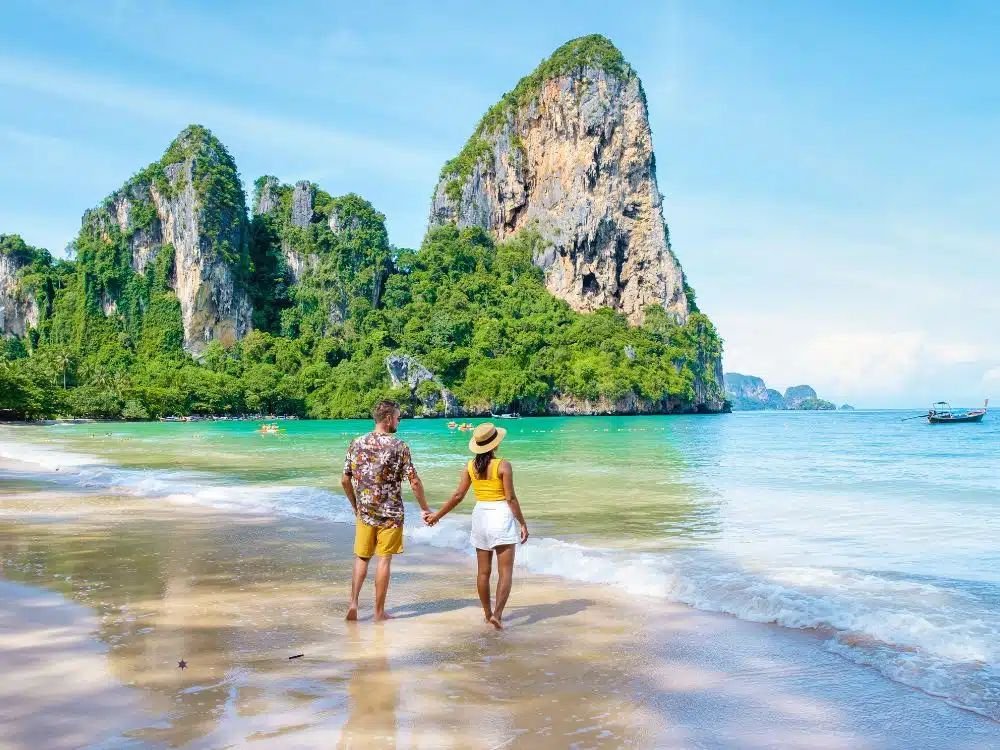
There’s something about the sound of waves that rearranges your thoughts without asking permission. A solo weekend by the coast isn’t about ticking off activities—it’s about allowing yourself to slow down in a way that everyday life rarely permits.
Arriving early on a Saturday morning changes everything. The beach feels like it belongs to you. You can walk barefoot along the shoreline, noticing things you’d normally ignore: the way the sand shifts beneath your feet, the rhythm of the tide, the occasional shell that feels like a small reward.
The smartest way to approach this trip is to avoid overplanning. Book a simple place to stay, preferably within walking distance of the water. Pack light—just essentials, a notebook, and maybe a book you’ve been meaning to finish for months.
The real experience begins when you allow boredom to surface. That’s when your mind starts to wander in interesting directions. You might find yourself reflecting on decisions you’ve postponed or realizing that something you thought was important actually isn’t.
By Sunday evening, you’ll likely notice a subtle shift. It’s not dramatic, but it’s there. Your thoughts feel less cluttered, your breathing steadier. The ocean has a way of doing that.
mountain escape with intentional solitude
Mountains offer a different kind of silence. It’s heavier, more grounded. A solo weekend in the hills or mountains can feel like stepping into a slower version of reality.
The key here is intentional solitude. This doesn’t mean isolating yourself completely, but rather choosing moments where you’re not constantly stimulated. A short hike, for example, becomes more meaningful when you’re not rushing to reach the top or distracted by your phone.
Early mornings are where this experience truly shines. Waking up before sunrise, stepping outside, and watching the light gradually reveal the landscape is something that doesn’t translate into photos. It has to be felt.
Bring simple food, something easy to prepare. Cooking for yourself in a quiet place adds an unexpected layer of satisfaction. Even something as basic as tea or coffee tastes different when there’s no noise around you.
This kind of trip often teaches patience. You realize that not every moment needs to be filled. Sometimes, just sitting and observing is enough.
city exploration without a checklist
Cities are usually experienced in a rush. We move from one attraction to another, trying to “make the most” of our time. But a solo weekend in a city can be transformed when you abandon the checklist entirely.
Start with a loose idea rather than a fixed plan. Maybe you want to explore a particular neighborhood or try local food. Beyond that, let the day unfold naturally.
Walking becomes your main activity. Not power-walking, but wandering. Turning into streets that catch your attention, stepping into small shops, pausing at cafés without worrying about how long you’ll stay.
Eating alone, which might feel uncomfortable at first, becomes one of the highlights. You notice flavors more, observe people around you, and become part of the city in a quiet, unobtrusive way.
The smartest part of this trip is the absence of pressure. There’s no need to prove that you’ve seen everything. What matters is the experience of being present in a place that’s constantly moving.
nature retreat with digital detox
We often underestimate how much mental space is occupied by constant notifications, scrolling, and the subtle pressure to stay connected. A solo weekend retreat in nature becomes significantly more powerful when you intentionally disconnect.
This doesn’t mean you have to go completely off-grid, but setting boundaries helps. Turn off non-essential notifications, limit your phone usage, or even keep it switched off for extended periods.
Choose a location that encourages outdoor activity—forests, lakes, or even a quiet countryside. The goal isn’t to be adventurous but to be engaged with your surroundings.
Simple activities take on new meaning. A walk becomes an exploration. Sitting under a tree becomes a moment of reflection rather than a pause between tasks.
Journaling can be particularly effective during this kind of trip. Without digital distractions, your thoughts flow more freely. You might write things you didn’t even realize you were thinking.
By the end of the weekend, the urge to constantly check your phone diminishes. You become more comfortable with stillness, which is a rare and valuable state.
creative solo getaway
Creativity often needs space, not just physically but mentally. A solo weekend dedicated to creative exploration can be incredibly fulfilling, even if you don’t consider yourself an artist.
Choose an activity that interests you—writing, sketching, photography, or even cooking. The point isn’t to produce something perfect but to engage in the process.
The environment plays a significant role. A quiet cabin, a cozy room, or even a small studio-like setup can make a difference. Arrange your space in a way that feels inviting.
Set loose goals rather than strict targets. For example, instead of aiming to complete a project, focus on spending a certain amount of time immersed in the activity.
You’ll likely encounter moments of frustration or self-doubt. That’s part of the experience. The key is to continue without judging the outcome too harshly.
What makes this trip smart is its focus on internal exploration. You’re not just visiting a place—you’re reconnecting with a part of yourself that often gets overlooked.
wellness-focused weekend
A wellness trip doesn’t have to involve expensive resorts or structured programs. At its core, it’s about prioritizing your physical and mental well-being for a short period.
Start by simplifying your schedule. Include activities like stretching, light exercise, or even just mindful breathing. These don’t need to be complicated.
Food plays a role as well. Choose meals that are nourishing and satisfying rather than indulgent or rushed. Cooking for yourself can add a sense of control and mindfulness.
Rest is equally important. Allow yourself to sleep without alarms, take naps if needed, and avoid the urge to fill every moment with activity.
You might also explore practices like meditation or simply sitting quietly for a few minutes at different times during the day.
The result isn’t a dramatic transformation but a subtle recalibration. You return feeling more balanced, which often carries into your daily routine.
cultural immersion in a nearby town
Sometimes, the most rewarding experiences are closer than we think. A solo weekend in a nearby town can offer a surprising level of cultural richness.
The key is to approach the place with curiosity rather than familiarity. Even if it’s not far from home, treat it as a new destination.
Explore local markets, try regional food, and engage with the environment. Small interactions, like conversations with locals or observing daily routines, can be incredibly insightful.
Museums, historical sites, or even simple landmarks can add depth to your experience. But again, avoid turning it into a checklist.
What makes this trip unique is the sense of discovery without the stress of long travel. It’s accessible yet meaningful.
You might return with a new appreciation for the diversity that exists even within short distances.
closing reflections
Solo weekend trips are less about the destination and more about the relationship you build with your own time. Each of these experiences offers something different—calm, clarity, creativity, or connection.
The smartest approach is to choose based on what you need at the moment rather than what sounds appealing in theory. If you’re overwhelmed, go somewhere quiet. If you feel stuck, try something creative. If you’re restless, explore a new place.
Over time, these short trips start to shape your perspective. You become more comfortable being alone, more aware of your preferences, and more intentional with your time.
And perhaps that’s the real value—not just the memories you create, but the way you learn to move through the world on your own terms.
frequently asked questions
- are solo weekend trips safe?
Yes, they can be very safe if you take basic precautions. Choose well-reviewed accommodations, share your itinerary with someone you trust, and stay aware of your surroundings. Avoid unnecessary risks, especially in unfamiliar areas.
- how do i choose the right destination for a solo trip?
Start by identifying what you need—relaxation, adventure, creativity, or exploration. Then pick a place that supports that goal. It doesn’t have to be far; even nearby locations can offer meaningful experiences.
- what should i pack for a solo weekend trip?
Pack light and focus on essentials. Comfortable clothing, basic toiletries, a small first-aid kit, and items related to your planned activities. Adding a notebook or book can enhance the experience.
- is it normal to feel lonely during a solo trip?
Yes, it’s completely normal, especially at the beginning. However, many people find that the feeling fades as they become more engaged with their surroundings and comfortable with their own company.
- how can i make the most of a short weekend trip?
Keep your plans simple and avoid overloading your schedule. Focus on one or two key experiences and allow time for spontaneity. Being present matters more than doing everything.
- do solo trips really help with personal growth?
They can, but it depends on how you approach them. Solo trips create space for reflection and independence, which can lead to personal insights. The growth comes from how you engage with the experience, not just the act of traveling alone.