5 proven solo weekend trips planning mistakes to avoid
There’s a quiet thrill in packing a small bag, locking your door, and stepping out into a weekend that belongs entirely to you. No compromises, no waiting on anyone, no negotiations over where to eat or when to leave. Just you, your mood, and a limited slice of time that can either feel like a reset button—or a blur that ends too soon.
But here’s the part most people don’t talk about: short solo trips are deceptively tricky. Because you only have a couple of days, every small decision carries more weight. A poor choice that might be harmless on a two-week vacation can quietly ruin a weekend getaway.
Over time, patterns emerge. Some mistakes repeat themselves across travelers, regardless of destination, budget, or experience. They don’t look dramatic at first glance. In fact, they often seem like “good ideas” in the planning stage.
This guide breaks down five of those proven mistakes—not just what they are, but how they show up in real life, why they happen, and how to avoid them in a way that actually works.
Along the way, you’ll find reflection prompts, mini checklists, and practical tweaks you can use immediately.
—
mistake 1: overplanning every hour
It starts with excitement.
You open maps, scroll through recommendations, bookmark cafés, note down viewpoints, and suddenly your weekend itinerary looks like a military operation. Every hour has a purpose. Every gap is filled.
On paper, it feels efficient.
In reality, it’s exhausting.
why this mistake happens
When traveling solo, especially if you don’t do it often, there’s a subtle pressure to “make it count.” You want to justify the effort, the cost, and the time. So you try to maximize everything.
There’s also a fear of missing out. If you don’t plan tightly, you might “waste” time.
what actually goes wrong
• You rush through experiences instead of enjoying them
• You become stressed when something runs late
• You lose space for spontaneous discoveries
• You treat the trip like a checklist instead of a memory
A café you wanted to sit in for 30 minutes becomes a 10-minute stop because you’re already behind schedule.
how to fix it
Think in “anchors,” not schedules.
Instead of filling your day hour by hour, choose 2–3 anchor activities per day. These are things you really care about experiencing.
Everything else becomes optional.
example structure
Morning: one key activity
Afternoon: one flexible exploration block
Evening: one relaxed experience
leave intentional gaps
Empty space isn’t wasted time. It’s where the trip becomes personal.
You might stumble upon a quiet street, a conversation, or a place that isn’t on any list. Those moments rarely happen when you’re rushing.
quick planning exercise
Before finalizing your itinerary, ask:
• If I cut this plan in half, would I still be satisfied?
• Which parts feel like pressure rather than excitement?
• Where can I add breathing room?
—
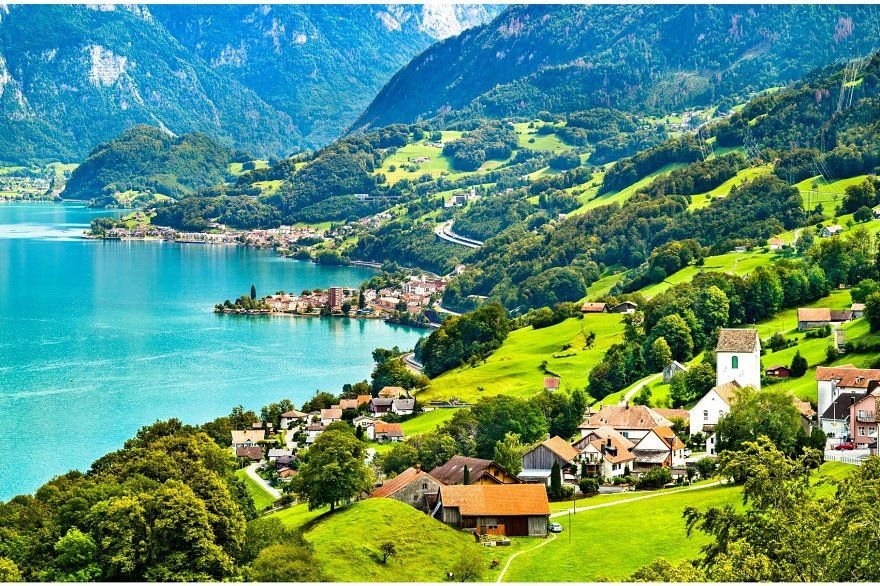
mistake 2: choosing convenience over experience (or vice versa)
This mistake shows up in two opposite ways:
Some people prioritize convenience too much. Others ignore it completely.
Both approaches backfire.
why this mistake happens
Weekend trips are short. That creates a tension between saving time and having meaningful experiences.
So you either:
• Stay too close to transport hubs and miss the charm
• Or stay far away and waste time commuting
what actually goes wrong
If you prioritize convenience only:
• Your location feels generic
• You miss the atmosphere of the place
• The trip feels forgettable
If you ignore convenience:
• You spend hours traveling within your destination
• You feel tired instead of refreshed
• You cut activities because of logistics
the balanced approach
Think in terms of “time-to-experience ratio.”
Every decision should answer this:
“How much time am I spending to reach something versus how much I’ll enjoy it?”
simple decision table
| Option | Travel Time | Experience Value | Keep or Drop |
|---|---|---|---|
| Local café | 5 min | Medium | Keep |
| Scenic viewpoint | 2 hours | Medium | Drop |
| Historic area | 25 min | High | Keep |
what to prioritize on short trips
• Walkable areas
• Clusters of attractions
• Neighborhoods with mixed experiences (food, views, culture)
micro-habit
Before booking accommodation, zoom out on the map and ask:
“What can I reach within 15 minutes on foot?”
That answer often defines your entire trip quality.
—
mistake 3: underestimating energy, not time
Most people plan based on time.
Very few plan based on energy.
That’s where things fall apart.
why this mistake happens
Time is easy to measure. Energy is not.
So you assume:
“If I have 10 hours, I can do 10 hours of activities.”
But energy doesn’t work like that.
Travel—even solo—is physically and mentally demanding.
what actually goes wrong
• You feel drained halfway through the day
• You skip activities you were excited about
• You rush through things just to finish
This is especially common if your trip involves:
• Early departures
• Walking-heavy exploration
• New environments
how to fix it
Plan energy peaks and valleys.
Instead of stacking activities evenly, structure your day around natural energy rhythms.
example energy flow
Morning (high energy): exploration, walking, sightseeing
Midday (dip): rest, slow meal, café time
Afternoon (moderate): light activities
Evening (low): relaxed experiences
add “recovery pockets”
These are intentional breaks.
Examples:
• Sitting in a park without a goal
• Journaling for 20 minutes
• Having tea without checking your phone
tiny rule that changes everything
Never schedule two high-energy activities back-to-back.
—
mistake 4: ignoring emotional logistics
This one surprises people.
Planning usually focuses on physical logistics: transport, accommodation, budget.
But solo travel has an emotional side too.
why this mistake happens
When you travel with others, emotions are shared and buffered.
When you travel alone, everything feels more intense.
• Silence feels louder
• Uncertainty feels sharper
• Small problems feel bigger
what actually goes wrong
• You feel unexpectedly lonely
• You second-guess your decisions
• You lose confidence mid-trip
None of this means solo travel is bad. It just means it requires awareness.
how to fix it
prepare emotional anchors
These are small things that ground you.
Examples:
• A playlist that feels familiar
• A book you enjoy
• A routine (morning coffee ritual, evening walk)
plan one “comfort experience”
This is something you know you’ll enjoy.
Not something experimental. Not something risky.
Something reliable.
Examples:
• A type of food you love
• A calm activity like reading or sketching
• A scenic but easy-to-reach place
self-check questions during the trip
• Am I tired or just overwhelmed?
• Do I need rest or stimulation?
• Am I pushing myself unnecessarily?
These questions prevent emotional spirals.
—
mistake 5: packing for “what if” instead of “what is”
Packing anxiety is real, especially for short trips.
The result? Overpacking.
why this mistake happens
You imagine scenarios:
“What if it rains?”
“What if I go somewhere fancy?”
“What if I need this one item?”
So you pack for possibilities instead of probabilities.
what actually goes wrong
• Your bag becomes heavy
• You feel physically burdened
• You waste time managing belongings
how to fix it
use the 80% rule
Pack for what you are 80% likely to do.
Ignore the unlikely 20%.
practical packing framework
| Category | Limit |
|---|---|
| Clothes | 2–3 outfits max |
| Shoes | 1 main + 1 backup |
| Extras | Only essentials |
build around versatility
Choose items that can be reused in different contexts.
Example:
• Neutral clothing combinations
• Layers instead of bulky items
packing checklist example
• 2 tops
• 1 bottom
• 1 light jacket
• 1 comfortable shoe
• toiletries (minimal)
• essentials (wallet, phone, charger)
question to simplify packing
“If I had to carry this all day, would I still bring it?”
—

bringing it all together
A solo weekend trip isn’t about doing more.
It’s about experiencing more—with less noise, less pressure, and fewer unnecessary complications.
If you look closely, all five mistakes share a pattern:
They come from trying to control too much.
• Overplanning controls time
• Poor location choices try to control efficiency
• Ignoring energy assumes control over your body
• Skipping emotional prep ignores internal reality
• Overpacking prepares for every possibility
The fix isn’t perfect planning.
It’s flexible awareness.
simple pre-trip checklist
Before your next solo weekend trip, run through this:
□ Did I limit my daily plans to 2–3 anchors?
□ Is my stay location balanced between convenience and experience?
□ Have I planned for energy, not just time?
□ Do I have at least one emotional comfort anchor?
□ Did I pack based on probability, not fear?
If you can check most of these, your trip is already on a better path than most.
—
real-life mini scenario
Imagine two travelers heading to the same destination.
Traveler A:
• Plans every hour
• Stays far to save money
• Packs heavily
• Pushes through fatigue
Traveler B:
• Chooses 2–3 daily highlights
• Stays in a walkable area
• Packs light
• Takes breaks intentionally
At the end of the weekend, both visited similar places.
But their experiences feel completely different.
Traveler A remembers stress.
Traveler B remembers moments.
That’s the difference these small adjustments create.
—
faqs
- how far in advance should I plan a solo weekend trip?
For short trips, 1–2 weeks is usually enough. The goal isn’t to lock every detail early but to secure essentials like transport and accommodation. Overplanning too early often leads to rigid expectations that don’t match your mood later.
- is it better to follow a strict itinerary when traveling alone?
No. A loose structure works better. Having 2–3 key activities per day gives direction without creating pressure. Strict itineraries tend to reduce enjoyment and increase stress if anything changes.
- how do I deal with loneliness during a solo trip?
Expect it rather than resist it. Bring small emotional anchors like music, books, or routines. Also, choose environments where you naturally feel comfortable, such as cafés or parks. Loneliness often passes quickly when you stay engaged.
- what’s the ideal budget approach for a weekend trip?
Focus on value, not just cost. Spending slightly more on location or convenience can save time and energy, which are more limited than money on a short trip. Avoid both extremes: overspending blindly or undercutting essential comfort.
- how do I choose the right destination for a short solo trip?
Pick places that are easy to navigate and don’t require long internal travel. Compact destinations with diverse experiences work best. The less time you spend figuring things out, the more time you spend enjoying them.
- what’s the biggest mindset shift for successful solo trips?
Stop trying to “optimize” everything. Instead, aim to experience things fully, even if they’re fewer. A well-enjoyed simple plan beats a perfectly designed but exhausting one.
—
A solo weekend trip doesn’t need to be perfect to be meaningful. It just needs to be intentional in the right places—and relaxed everywhere else.