Meta description: Reducing fear of solo weekend trips for the beginner — build confidence and memories in first-time solo travelers with 5 simple, affordable adventures.
Short Trip Adventures for Beginners
The Best Decision You Can Make Is To Go It Alone
There’s something about throwing a bag over your shoulder, choosing a direction and hitting the road solo that feels magical.
No compromises. No waiting on anyone. No one argues over where to dine.
Solo travel has been booming — and for good reason. A 2023 survey by the Adventure Travel Trade Association found that bookings for solo travel increased more than 40 percent compared to years before the pandemic. An increasing number of people, especially newcomers, are finding out that traveling solo is not just safe but profoundly rewarding.
Yet the idea of a weekend trip on your own can seem somewhat intimidating at first. That’s totally normal.
This guide lays out five of the simplest, most beginner-friendly solo weekend trips available right now. Each is meant to be gentle on the pocket, low-stress and actually fun — even if it’s your first time going solo.
What Is “Beginner-Friendly” for a Solo Traveler?
Before diving into the list, it helps to know what to look for. Here’s what a beginner-friendly solo trip usually looks like:
- Brief travel time (3 to 4 hours maximum)
- Low physical difficulty
- Safe, well-documented destinations
- Weekend budget under $200
- Simple to plan with little prior research required
The five trips on this list check all those boxes. Let’s get into it.
Trip 1 — Car Camping at a State or National Park
The simplest solo outdoor activity there is
Car camping is, without a doubt, one of the best solo weekend trips for starters. You drive your car to a campsite, stop there and sleep in a tent — or even inside the car. No backcountry navigation required.
Most state parks in the US (and in most countries) have clean campgrounds with bathrooms, fire pits and sometimes Wi-Fi. You’re not hard-core camping — you’re just sleeping outdoors. And there’s something very different about sitting by a fire alone, with no beeps or blares, that resets your brain.
Tips for solo car camping
Begin by researching state parks within a two-hour drive of your home. Websites like ReserveAmerica or Recreation.gov (in the US) let you reserve a campsite in minutes. You’ll need a few basics:
- Tent (sleeping in your car works too)
- A sleeping bag rated to the temperature
- Food you can cook on a camp stove, or just eat cold
- A headlamp, water bottle and bug spray
Book a Friday-to-Sunday trip. Arrive in the afternoon, set up camp, prepare a simple dinner and just… breathe. Saturday leaves you with a full day to hike local trails, swim in a lake, or do absolutely nothing at all.
What you’ll get out of it
Car camping shows you that you can be alone in the wild. It’s quiet like few people ever experience. You’ll sleep deeply. You’ll wake up feeling different. Most campsites range from $20–$40 a night — an entire weekend outdoors for less than one restaurant dinner.
Pro tip: Check the weather forecast before you go, and arrive before dark on your first time.
Trip 2 — A Short Solo Road Trip Along a Scenic Route
Choose a route and drive it
A road trip doesn’t need to be cross-country to matter. Some are under three hours, making them ideal for beginner solo road trips. The concept is straightforward: choose a beautiful route, download a playlist and hit the road. Stop whenever something looks interesting. Eat at a roadside diner. Pull over for a sunset photo. The journey is the destination.
Here are some popular and beginner-friendly road trip routes in the US:
- Pacific Coast Highway from Los Angeles to Santa Barbara (2 hours)
- Day segments of the Blue Ridge Parkway in Virginia or North Carolina
- New Mexico or Arizona segments of Route 66
- Overseas Highway from Key West, Florida
A quick search for “scenic drives near [your city]” will yield a solid list for your own region.
How to make the most of a short solo road trip
Plan loosely. Enter your start point and destination, then feel free to explore in between. Download an offline map on Google Maps or Maps.me before you go — some rural roads have no cell service. Pack snacks, a full tank of gas and a portable phone charger. Share your intended route with someone, and check in when you arrive.
The great thing about a solo road trip is that no one can veto your stops. Want to spend an hour in a random antique store? Done. Want to eat gas station pizza? Go for it.
Budget breakdown
| Expense | Estimated cost |
|---|---|
| Gas (200-mile round trip) | $30 – $50 |
| Food and snacks | $20 – $40 |
| One night motel/Airbnb | $60 – $120 |
| Activities / entrance fees | $0 – $30 |
| Total | $110 – $240 |
Trip 3 — A Solo Day Hike Weekend in a National Forest
You don’t need to be an expert to hike alone
For many people, the idea of hiking alone sounds frightening. In fact, if you stick to marked trails in a national forest or regional park, you’re engaging in one of the safest, cheapest and most invigorating activities around. The trick is finding the right trail.
Most beginner trails are rated “easy” or “easy-moderate.” These usually have:
- Well-marked paths
- Less than 1,000 feet of elevation gain
- Trails shorter than 8 miles round trip
- Regular foot traffic from other hikers
Apps like AllTrails are a great help. You can filter trails by difficulty, length and distance from your location. It includes user reviews, photos and GPS maps you can download offline.
Planning your solo hiking weekend
Choose a trail no more than 2–3 hours away. Hike Saturday, then visit a nearby town or generally unwind on Sunday. For accommodation, budget motels in small towns nearby or campgrounds near the trailhead both work well.
What to carry in your daypack:
- 2 liters of water (minimum)
- High-energy snacks (nuts, bars, fruit)
- First aid kit
- Sunscreen and hat
- Phone charged, with trail map downloaded for offline use
- Rain jacket (mountain weather changes quickly)
Start early. Most beginner hikers aim to be on the trail before 8 or 9 AM and off before 2 PM — that gives you a large safety margin.
The mental payoff is real
A study published in the journal Proceedings of the National Academy of Sciences found that people who walk in natural settings experience lower levels of anxiety and negative rumination than those who walk in urban environments. Solo hiking delivers that nature benefit, plus the confidence that comes from completing something physically demanding entirely on your own.
Trip 4 — A Weekend in a Small Coastal or Mountain Town
Small towns are a solo traveler’s best friend
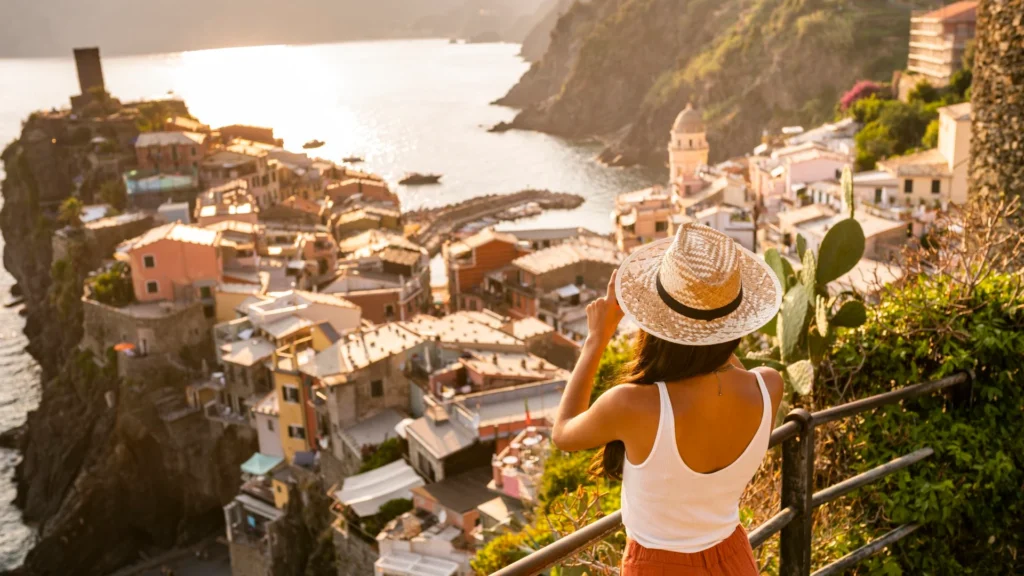
Big cities can be daunting when you’re alone for the first time. Small towns are different. They’re walkable, easy to navigate and full of character. A quiet mountain village or small coastal town is one of the most manageable weekend trips you can do solo. Everything is close together — beach, coffee shop, bookstore — all within a 20-minute walk from your hotel.
People in small towns are also generally friendlier. You’re far more likely to strike up a real conversation with a local at breakfast in a small-town diner than in the middle of a busy city.
How to pick the right small town
Look for towns with:
- A pedestrian-friendly main street with shops and restaurants
- A natural feature (beach, lake, mountain view, river)
- Positive reviews for solo travelers on TripAdvisor or Google
- Accommodation options under $100/night
A few perennial favorites in the US include Asheville, NC; Cannon Beach, OR; Bar Harbor, ME; and Sedona, AZ. Europe offers hundreds of gems too, like Sintra in Portugal or Kotor in Montenegro.
A simple small town solo itinerary
Friday evening: Arrive, check in, stroll down the main street and get dinner at a local spot. No plans needed — just explore.
Saturday: Wake up early, find a great breakfast spot (ask your host for suggestions), and spend the morning at the beach or on a short trail. Afternoon: browse shops and cafes, visit a museum or gallery, coffee at an indie café. Dinner: the best restaurant within budget.
Sunday: A slow morning. Catch a farmer’s market if there is one. Head home by early afternoon.
This loose framework works for virtually every small town and provides the ideal balance of activity and rejuvenation.
Solo safety in small towns
Small towns are generally very safe for solo travelers. That said, a few good habits help:
- Tell someone back home your accommodation address
- Save a screenshot of your booking confirmation offline
- Stick to well-lit streets at night
- Trust your instincts — they’re usually right
Trip 5 — Solo Wellness Weekend in a Cabin or Hostel
Permission to fully recharge
In fact, the best solo weekend trip isn’t particularly adventurous at all. It’s about rest. A solo wellness weekend means reserving a cabin in the woods, booking a budget hostel or retreat center, and devoting two days to what your body and mind actually need — reading, walking, journaling, sleeping in, making a slow breakfast, taking a bath without rushing.
This is hugely underrated as a travel experience, particularly for people who are “on” all the time.
Cabin vs. hostel — which is right for you?
Both work well for a solo wellness trip, though they offer different experiences.
A cabin or Airbnb cottage gives you total privacy and solitude — ideal if you need utter peace, no social pressure and the freedom to do nothing at all.
A social hostel lets you be as solitary or as social as you choose. Most good hostels have common areas, shared kitchens and regular events. You might have a fascinating conversation with someone from another country, or read alone in your bunk all night. Both are fine. For true beginners who feel anxious about traveling alone, a hostel can actually be an excellent starting point — you never really feel isolated.
What a wellness weekend really looks like
- Wake up without an alarm
- Go for a long, aimless morning walk
- Cook your own meals (grocery shopping near a cabin is part of the experience)
- Read a book you’ve been putting off
- Do some gentle yoga or stretching
- Take an actual nap — not a 12-minute scroll
- Journal (a few lines is enough)
- Sleep early and sleep well
The aim is not productivity. The aim is to come home feeling human again.
Budget-friendly wellness options
Hipcamp or Airbnb cabin rentals can start as low as $50–$80 a night. Hostel dorm beds in less-traveled places run $20–$40 a night. A wellness weekend costs less than a nice dinner out — and does considerably more.
7 Rules Every Solo Travel Beginner Should Know
- Tell someone your plan. Send a text with your destination, accommodation and rough itinerary. Check in on arrival and when you’re heading home.
- Store copies of your ID digitally and physically. A photo of your driver’s license or passport saved to your email works. A printed copy in your bag is even better.
- Don’t overshare on social media. Post your photos after you’re home, not while you’re at the location.
- Trust your instincts. If something doesn’t feel right, leave. You don’t owe anyone an explanation.
- Keep your phone charged. Carry a portable battery pack. A dead phone on a trail or back road is a serious problem.
- Know your emergency number. In the US it’s 911. In the EU it’s 112. Know it before you need it.
- Stay in well-reviewed accommodation. Look for recent reviews that mention solo travelers specifically — they’ll tell you everything you need to know.
How to Build Confidence for Your First Solo Trip
First-time solo travelers often feel nervous in the weeks before departure. That’s normal. Here’s what helps:
- Start close to home. Your first solo trip doesn’t have to be monumental. One night at a state park two hours away is a complete success. Prove to yourself you can do it, then build from there.
- Use beginner-friendly apps. AllTrails for hikes, iOverlander for camping, Hostelworld for hostels and Google Maps for everything else. These tools make solo travel far easier than it was ten years ago.
- Pack light. A heavy bag is stressful. It complicates decisions and slows you down. A daypack or small carry-on of 20–30 liters is sufficient for most weekend trips.
- Allow yourself an exit. Knowing you can leave early if needed actually makes it easier to go. You’ll rarely use it — but it’s important to have.
FAQs About Solo Weekend Trips for Beginners
Q: Is a solo weekend trip safe for a complete novice?
Yes — millions of people make solo weekend trips without incident every year. The key is choosing beginner-friendly destinations (nearby, well-trodden, popular among travelers), letting someone know where you’re headed and following basic safety habits.
Q: What is the least expensive solo weekend getaway?
A car camping trip at a state park is one of the cheapest options, typically $30–$80 total for the weekend. If you already own basic gear, a solo day hike trip can cost even less.
Q: Do I need special gear for a first solo trip?
Not for most of these trips. A road trip, small town visit or wellness hostel stay needs nothing more than what you already own. Car camping and hiking require minimal outdoor gear, which most outdoor retailers will rent if you’re not ready to buy.
Q: What if I feel lonely on a solo trip?
Loneliness is unusual once you’re actually out there — most solo travelers report feeling more free than lonely. That said, staying at a hostel, chatting with locals or joining guided group excursions (like kayak tours or walking tours) can add social connection if you want it.
Q: How do I handle questions about traveling alone?
At your accommodation, feel free to let staff know you’re traveling solo — it can be useful from a safety standpoint. In casual conversation, you’re under no obligation to mention it. If a stranger asks and you’re not comfortable, simply say you’re meeting friends later.
Q: What’s the best solo weekend trip for someone who hates camping?
Visiting a small coastal or mountain town is ideal — you get nature and fresh air without any roughing it. A wellness cabin weekend is another excellent non-camping option.
Q: How do I choose between the five trips on this list?
Consider what you most need right now. Need silence and rest? Wellness weekend. Want to feel adventurous? Day hike or car camping. Want culture and walking? Small town. Want total freedom? Road trip.