10 Ultimate Solo Weekend Trips Planning Ideas for Last-Minute Travel
You know that feeling when the workweek drags on, your inbox is overflowing, and all you can think about is escaping for a couple of days without turning it into a full-blown production? Solo weekend trips are my absolute favorite way to hit reset. No negotiating with friends about where to eat or what to do next. Just you, your backpack, and whatever adventure pops up at the last minute. The best part? In this era of apps and flexible booking, you don’t need months of planning. A quick search on Friday morning, and by evening you’re on the road or in the air. I’ve pulled off more than a dozen of these myself, sometimes deciding at noon and leaving by six. They remind you that life doesn’t have to wait for the perfect calendar gap.
What makes these trips ultimate for solo travelers is the freedom to follow your mood. Feeling reflective? Head to the mountains. Craving energy? Dive into a city pulse. And because they’re short, the pressure to make every second perfect vanishes. You come back recharged, not exhausted. Last-minute also means snagging deals that planners miss—think half-price hotel rooms because someone canceled or cheap last-seat flights. Over the next pages I’ll walk you through ten ideas that have worked wonders for me and plenty of other solo wanderers I’ve met along the way. Each one includes real-talk planning hacks, sample itineraries, packing shortcuts, and the little mindset shifts that turn a quick getaway into something unforgettable. Let’s dive in.
The first idea that always delivers is a mountain escape for hiking and quiet reflection. Picture this: you wake up Friday, check the weather app, and see clear skies two hours north. You book a bus ticket for under fifty bucks, pack light, and suddenly you’re breathing pine-scented air instead of city smog. Mountains are perfect for last-minute because trails don’t require reservations, hostels and guesthouses often have walk-in availability, and the views never charge extra. I once left Lahore on a whim for the hills near Murree when a meeting got canceled. Three hours later I was on a trail with nothing but my thoughts and birdsong.
For planning, focus on destinations within a four-to-six-hour drive or short flight from wherever you call home. If you’re in a major city, apps like Rome2Rio show every option—bus, train, shared ride. Book accommodation on Booking.com with the “free cancellation” filter; it gives you flexibility if plans shift. Pack layers because mountain weather flips fast: base layer, fleece, waterproof shell, sturdy shoes with good grip, a daypack, snacks, water bottle, headlamp for evening walks, and a notebook. That’s it. No fancy gear needed.
Here’s a sample weekend that keeps things spontaneous. Friday evening: arrive, check into a simple guesthouse, stroll the local market for fresh chai and paratha. Saturday morning: hit the trail at dawn—aim for a moderate five-kilometer loop with a viewpoint. Bring a portable charger because photos will eat battery. Afternoon: find a quiet spot by a stream, sit, and just be. Solo travel shines here because there’s no one rushing you. Sunday: lighter walk or visit a nearby waterfall, then head back by mid-afternoon so you beat traffic and still have Sunday evening to unpack and unwind.
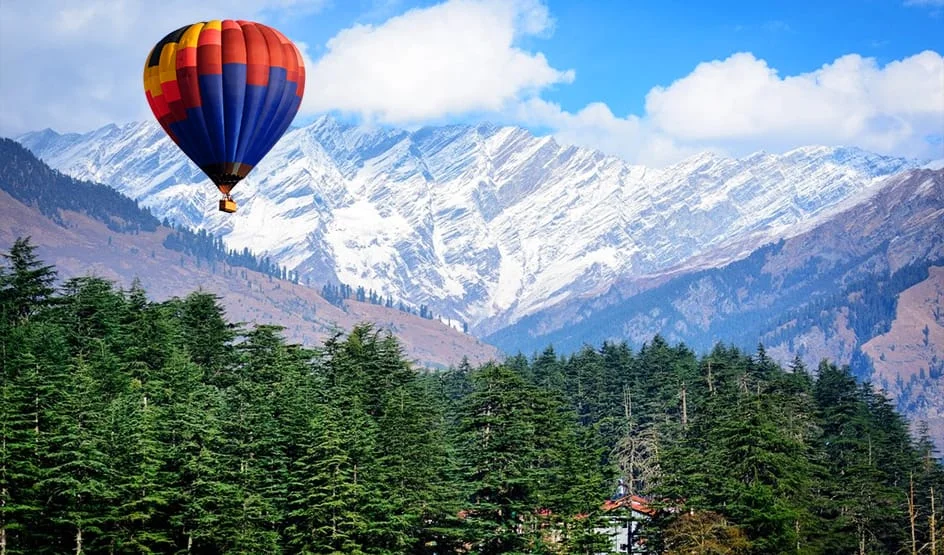
Budget-wise, expect two to four hundred dollars total including transport, basic lodging, meals, and a couple of small treats. Safety tip for solo hikers: share your route with a friend via WhatsApp location and stick to marked paths. The mental payoff is huge. One trip I took after a tough month at work left me feeling like I’d downloaded new software for my brain—calmer, clearer. If mountains aren’t your thing right now, swap for hills closer to home. The key is choosing elevation that matches your fitness without needing advance permits. Trust me, that first deep breath at altitude resets everything.
Next up, a beachside escape in a quiet coastal village hits different when you’re alone. Last-minute beach trips work because ocean towns often have more rooms than tourists on short notice, especially outside peak season. I remember scrolling flight deals at 10 a.m. one Friday and landing in a sleepy fishing village by sunset. No crowds, just waves and my own playlist. The spontaneity makes it feel like the sea is waiting just for you.
Planning starts with checking budget airline apps or train schedules for same-day or next-day departures. Look for places two to five hours away by road or an hour’s flight. Accommodation: search for guesthouses or small hotels with sea views on Agoda or direct websites—many offer same-day discounts. Pack smart: swimsuit, quick-dry towel, flip-flops, sunscreen, hat, lightweight cover-up, book or Kindle, reusable water bottle, and a small cooler bag for snacks. Leave the heavy camera; your phone does fine.
Friday routine: arrive, drop bags, walk the beach at golden hour. Saturday: rent a cheap scooter or bicycle from the village stand—no booking needed—and explore hidden coves. Bring cash for fresh seafood straight off the boat. Afternoon nap in a hammock is non-negotiable. Sunday: sunrise swim, maybe a short boat ride with local fishermen if they’re heading out (negotiate on the spot), then easy return. Total cost usually stays under three hundred if you eat where locals eat.
Solo beach life means you control the vibe. Want to people-watch? Sit at a café. Want silence? Pick a stretch of sand with no footprints. I always journal one thing I’m grateful for each day; it turns the trip into quiet therapy. Watch the tides—literally and metaphorically. The ocean teaches you to go with the flow, which is perfect for last-minute minds. If you’re landlocked, any large lake works the same magic. The point is salt air or fresh water and zero agenda.
Then there’s the vibrant city break that feeds your energy without overwhelming you. Cities are last-minute gold because trains and buses run frequently, hostels always have beds, and attractions rarely sell out on short notice. I once hopped a train to a neighboring capital on Friday after my boss said “take the weekend.” By dinner I was lost in street markets, camera in hand, feeling alive.
Choose a city you can reach in under four hours. Use apps like Trainline or local equivalents for real-time tickets. Stay in a central hostel or boutique hotel with 24-hour check-in. Pack city-smart: comfortable walking shoes, power bank, portable Wi-Fi if needed, small crossbody bag for security, cash in small notes, and a rain jacket because cities love surprise showers.
Friday: arrive, check in, wander the main square at night when lights come on. Saturday: pick three neighborhoods and walk between them—street food for breakfast, museum or gallery for midday (many have free hours), rooftop café for sunset. Sunday: morning market for souvenirs, quick café breakfast, then head home. Keep it to what feels good; skip the checklist. Budget around two hundred fifty to four hundred depending on food choices.
Solo in a city means you can linger at a painting that speaks to you or join a free walking tour and leave early. I love striking up conversations with vendors or fellow travelers at hostels, but it’s optional. The city becomes your personal playground. Safety hack: use ride-sharing apps with driver ratings and avoid empty streets late. The buzz recharges your social battery while still letting you retreat to your room whenever you want. It’s the perfect balance.
A historic town exploration offers that timeless charm without needing guided tours booked weeks ahead. Old towns are built for wandering, and last-minute visitors fit right in. I stumbled into one during a random long weekend and spent hours tracing cobblestone streets, imagining lives from centuries ago. No crowds meant locals actually talked to me.
Planning is easy: pick a town with good rail links. Book a small inn or Airbnb with flexible check-in. Pack layers again, comfortable shoes for uneven stones, a small notebook for sketches or notes, portable charger, and a scarf or light jacket for evenings.
Friday evening: arrive and join the evening stroll locals do. Saturday: visit the main sights at your pace—castle, old market square, hidden church. Many places offer audio guides downloadable on the spot. Afternoon tea or coffee in a centuries-old café. Sunday: climb a tower for views or visit a local artisan shop. Return relaxed. Costs hover around three hundred including entry fees.
Solo means you absorb the history deeper. I sat on a bench in one town square for an hour just watching life unfold, feeling connected to something bigger. No one rushing you to the next photo op. If the town has a festival pop-up, even better—last-minute magic. These trips remind you that roots run deep, and sometimes you need to walk old streets to feel grounded again.
For those craving movement, an adventure-packed weekend in the great outdoors never disappoints. Think kayaking, cycling, or zip-lining—activities that book same-day slots easily. I once decided on a whim to try white-water rafting two hours from home. Booked the morning slot online while drinking coffee. Best decision.
Look for adventure hubs within driving distance. Use apps like GetYourGuide or local operators for real-time availability. Stay at adventure lodges that include gear rental. Pack quick-dry clothes, swimsuit, towel, sturdy water shoes, sunscreen, small first-aid kit, and energy bars.
Friday: travel and evening briefing. Saturday: full day of activities—morning raft, afternoon hike or bike. Sunday: gentler option like a short climb or relaxed paddle before heading back. Budget four hundred max with equipment included.
Solo adventure builds quiet confidence. You’re responsible for your own harness check and pace, and that feels empowering. Group tours are small enough that you connect without losing independence. The rush followed by campfire stories (or quiet reflection) balances everything. Always check weather apps the night before—mother nature decides last-minute too.
A culinary journey to a food lover’s paradise turns eating into the main event. Food cities have markets and street stalls open daily, so no reservations needed for the good stuff. I once flew to a neighboring food capital on points and ate my way through three days. Still dreaming about it.
Choose a destination known for local specialties reachable quickly. Book a central apartment with kitchenette if you want to cook finds from the market. Pack nothing fancy—just appetite and loose pants.
Friday: evening food crawl. Saturday: morning market, cooking class if available same-day, evening fine-dining spot that takes walk-ins. Sunday: brunch and one last bakery stop. Costs around three hundred fifty if you mix street and sit-down.
Solo means you order exactly what you want without compromise. Chat with chefs or fellow diners if the mood strikes. I keep a food journal on these trips—notes on flavors, vendors, even recipes scribbled on napkins. It turns the weekend into a delicious memory bank. Street food safety tip: choose busy stalls with locals. Your taste buds will thank you long after you return.
Wellness escapes for mind and body rejuvenation are perfect when you need softness instead of speed. Yoga retreats or spa towns often have drop-in classes and same-day massages. I booked a last-minute yoga weekend once when burnout hit hard. Left feeling ten years younger.
Search for wellness hubs with easy access. Many offer day passes or overnight packages with flexibility. Pack yoga mat if you have a favorite one, comfortable clothes, journal, essential oil if you like, eye mask for better sleep.
Friday: arrive and unwind with a gentle session. Saturday: full day of classes, meditation, nature walk. Sunday: morning practice then easy return. Budget three hundred to five hundred depending on treatments.
Solo wellness is pure self-care. No one else’s schedule to match. The quiet lets you hear your own thoughts again. Many places have communal meals where conversation flows naturally but ends when you need it to. It’s like pressing pause on life. The glow lasts weeks.
Wildlife watching in a national park or reserve brings nature close without long safaris. Short drives or boat trips often have last-minute spots. I once joined a bird-watching group on a whim and spotted more species in two days than in my whole life before.
Pick reserves with visitor centers that sell day permits on arrival. Stay at nearby lodges. Pack binoculars if you own them, camera with zoom, neutral clothing, insect repellent, field guide app on phone.
Friday: evening arrival and short walk. Saturday: guided or self-guided wildlife drive or boat. Sunday: dawn session for best sightings then depart. Costs around four hundred.
Solo means you set the pace—stop when something moves in the grass. I love the patience it teaches. Binoculars become your best friend, and the silence fills with animal sounds that reset your nervous system. Check park apps for real-time animal sightings shared by rangers.
An artistic and creative city immersion lets your inner maker play. Street art districts, galleries, and workshops welcome walk-ins. I wandered into an open studio once and left with a small painting I made myself.
Choose creative neighborhoods with good public transport. Stay in artsy hostels. Pack sketchbook or small notebook, favorite pen, phone for photos.
Friday: evening gallery hop. Saturday: workshop or street art tour (many pop up daily). Sunday: museum visit and creative café. Budget two hundred fifty.
Solo creativity flows freer. No judgment, just you and the canvas or camera. These trips often spark ideas that follow you home. Talk to artists if the vibe feels right—they love sharing stories.
Finally, a lakeside or riverside relaxation getaway combines water views with zero pressure. Rivers and lakes have cabins or campsites that fill slower mid-week. I once rented a tiny cabin by a river on Friday afternoon and spent the weekend reading and skipping stones.
Search for water destinations with simple access. Book glamping or basic cabin with flexible terms. Pack hammock if you have one, book, blanket, fishing gear if interested (check rules), binoculars for birds.
Friday: arrive and settle by the water. Saturday: paddle or just sit. Sunday: morning reflection then return. Costs under three hundred.
Solo by water teaches presence. The current mirrors life—constant yet peaceful. No itinerary needed beyond watching the light change. It’s the ultimate last-minute because nature doesn’t care about your schedule.
These ten ideas barely scratch the surface of what’s possible when you decide to go. The real secret is trusting yourself to make it happen. Pack light, stay open, and remember that the best memories come from the unplanned moments—conversations with strangers, detours that lead to hidden views, quiet realizations at sunrise. Last-minute solo weekends aren’t about escaping life; they’re about remembering how good it feels to choose yourself for a couple of days.
Next time the itch hits, don’t overthink. Open that travel app, pick a direction, and go. Your future self will thank you with stories, stronger legs, and a fuller heart. The world is full of weekends waiting to be claimed. What’s stopping you from claiming the next one?