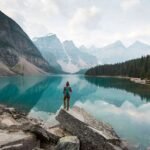
5 Two-Day Breaks/Itineraries for Easy Solo Weekend Trips
Meta Description: Solo weekend trips can be pretty straightforward. The 5 Easy 2-Day Solo Travel Itineraries for First-Time + Insider Solo Female Travelers
Solo travel is one of the most liberating experiences you can have.
No compromises. No waiting on anyone. Just you, your bag and what the road brings.
But organizing a solo weekend trip — your first, especially — can feel somewhat daunting. Where do you go? What do you do? How do you make the best out of only 2 days?
That is exactly what this guide is for.
Find 5 well-planned itineraries for fun, cheap solo weekends below! If you’re into nature, history, food or simply walking along new streets, there’s a trip for you here.
Let’s dive in.
Why Solo Weekend Getaways Are Worth the Trouble
Many people put off visiting anywhere until they have the “right” travel partner. But solo weekend trips teach you an important lesson: you are enough.
2-day solo escapes are so potent because:
You move at your own pace. You eat when you’re hungry. You linger as long as you’re excited at places. And you skip the things that don’t interest you.
Solo travel is a confidence builder, too. It can be just a weekend getaway, but after your first solo trip — no matter how short — you’ll feel more capable and more in touch with yourself.
The best part? All you need is a weekend to recharge all of your batteries.
Essential Information Before You Hit the Road (Quick Tips)
Before getting into the itineraries, here are some basics that make every solo trip easier:
- Book accommodation in advance. Hostels, boutique hotels and Airbnbs all suit solo travelers wonderfully. Look for good reviews and a central location.
- Keep a light bag. For a 2-day trip, you really only need a backpack. Overpacking slows you down.
- Download offline maps. Google Maps allows you to download areas for offline use. This saves data and comes in handy if you lose signal.
- Share your itinerary with someone. Inform a friend or family member of your destination and where you will be staying. Safety first.
- Carry some local cash. Even in large cities, small shops and markets often do not accept cards.
But now, let’s get to the good stuff.
Trip 1 — The Mountain Getaway (National Park Weekend)
Something about mountains makes the universe feel smaller and quieter in the best possible way.
Feel free to use this itinerary for almost any national park 2–4 hours from your house — like Shenandoah, Great Smoky Mountains, Rocky Mountain or any state park with good trails and vistas.
Day 1 — Arrive, Explore and Breathe
Morning: Hit the road early. Try to arrive at the park by 10 or 11 AM. First, visit the visitor center. The rangers are extremely helpful and can tailor trail recommendations to your fitness level. Pick up a paper trail map — always good advice, even if you carry a GPS.
Midday: Walk a beginner or intermediate trail. A 4–6 mile round-trip hike is ideal for a solo day. You’ll have time to take in the scenery without being rushed.
Pack your own lunch. Trail mix, a sandwich and a water bottle are all you need. Eating on a rock overlooking a valley is one of those simple joys that stay with you.
Afternoon: After the hike, enjoy the park’s main scenic drive, if it has one. Pull over at every overlook. Take your time. You’re on your own schedule.
Evening: Settle into your lodging — a rustic cabin, campsite or local motel. Get dinner at a small local restaurant near the park entrance. These places usually have the best food and the most friendly staff.
Day 2 — Sunrise, Last Hike and Head Home
Morning: Wake up before sunrise. This is not optional. Watching the sun rise over mountains by yourself is one of those things that makes you gently shift inside. Bring a warm layer.
Mid-morning: Go for a short, easy hike — 2–3 miles. This gives you another taste of the park without exhausting yourself before the drive home.
Afternoon: Pack up and head home. On the way back, stop at a local diner for a proper sit-down meal. You’ve earned it.
Solo Tip: Mountain parks are often busy on summer weekends. Head out early and walk popular trails before 9 AM to beat the crowds and have the views largely to yourself.
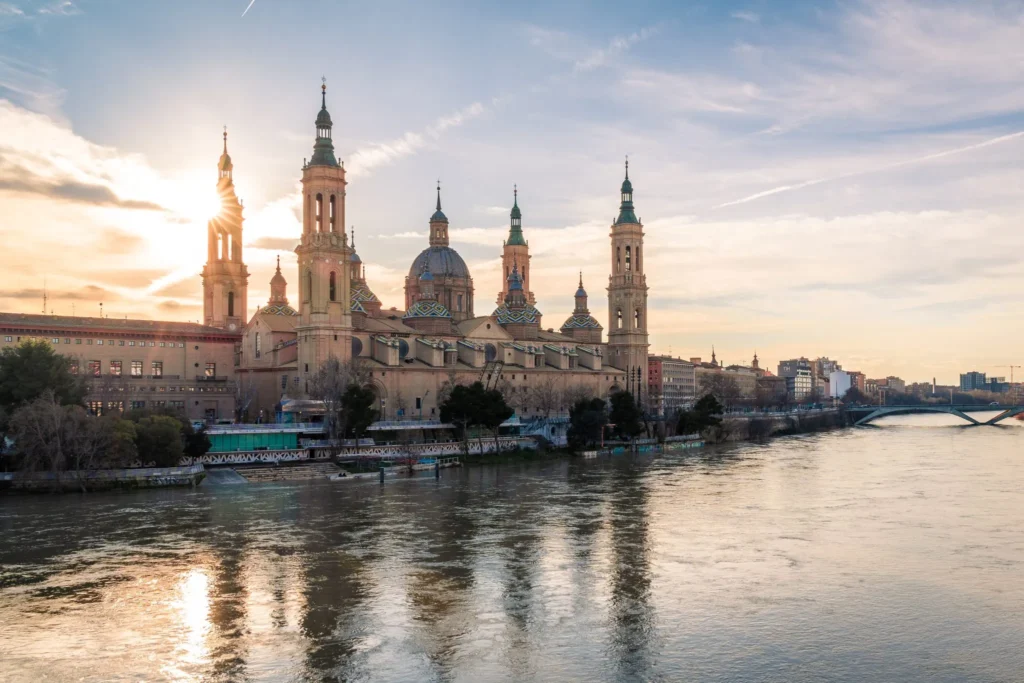
Trip 2 — The Historic Small Town Wander
You don’t need to hop on a flight to go somewhere significant.
Historic small towns are perfect for solo weekend excursions. They’re walkable, endlessly interesting to navigate and full of personality. Places such as Savannah (Georgia), Fredericksburg (Texas), Taos (New Mexico) or any charming main-street town within a few hours’ drive of your home.
Day 1 — Arrive and Get Lost in the Streets
Morning: Drive or take a train into town. Consider staying at a bed and breakfast or boutique hotel. This kind of lodging suits solo travelers well — the hosts often become your personal local guide.
Check your bags and hit the ground running. Don’t follow a rigid plan. Just wander. Peek into bookshops. Sit at a café and watch people go by. Allow the town to unfold itself slowly.
Afternoon: Visit a local history museum or heritage site. Most small towns have one, and they’re typically free or inexpensive. You’ll come away with a greater appreciation for the place you’re staying.
Browse the main street shops. Get one small, meaningful souvenir — not a magnet or keychain, but something that tells a story. An artisanal postcard, a local jam, a piece of pottery.
Evening: Have dinner at a restaurant recommended by your host. Ask them where the locals eat — they always know best. Eat slowly. You’re not in a rush.
Day 2 — In-Depth Exploration and Departure
Morning: Take a self-guided walking tour. Many historic towns offer free downloadable maps or audio tours via apps such as GPSmyCity. These provide historical context that brings every building to life.
Stop for breakfast at a local bakery. In small towns, the bakeries are nearly always excellent. There’s nothing like a coffee and pastry with a book or some journaling to start your day.
Midday: Catch up with any attractions you didn’t get to the day before — a local art gallery, a lookout point, a tour of historic homes. In your final hour, sit in a café with your notebook or a book.
Afternoon: Drive home while listening to a playlist you love.
Solo Tip: Small towns are at their safest and most lively during the daytime. Schedule most of your exploring for daylight hours and reserve evenings for a more relaxed vibe.
Trip 3 — The City Break for Food Lovers
Some people travel to see things. Others travel to taste things. This one is for the second group.
Choose a food city — New Orleans, Nashville, Portland, Chicago or any place with a strong culinary identity. Even cities you’ve visited before feel completely different when explored through a food lens.
Day 1 — Eat Your Way Around the City
Morning: Begin at a popular local breakfast spot. Research it in advance on Yelp or Google — find places with character, not chains. If you can, sit at the counter. Dining solo at a counter is nearly always a great social experience. Bartenders and counter staff love to talk.
Late Morning: Stroll to a local food market. Pike Place in Seattle, Eastern Market in DC, Reading Terminal in Philadelphia — every city has one. Graze. Try things you’ve never tasted. Grab a small snack to munch on the way.
Afternoon: Do a food tour. Many cities offer 2–3 hour food walking tours led by a guide for around $40–$70. If you’re traveling alone, you’ll likely strike up a conversation with other participants. It’s one of the easiest ways to connect with fellow travelers on a solo adventure.
Evening: Reserve a table at a restaurant you’ve been meaning to try. Eating alone at a nice restaurant can seem daunting at first, but it’s actually one of the most enjoyable solo experiences there is. Bring a book or a journal. Savor every course.
Day 2 — Neighborhood Gems and Food Finds
Morning: Choose a neighborhood you didn’t stay in and explore it on foot. Every city has a locals’ area that tourists overlook. Ask your hotel concierge or café barista where that is.
Pick up breakfast at a hole-in-the-wall spot there. Skip the reviews — just choose somewhere that smells good.
Noon: Stop at a specialty food store — a cheese shop, spice market, hot sauce store or craft brewery tasting room. These make for fun solo activities with no companion required.
Have a proper lunch. Try the city’s most iconic culinary offering. Gumbo in New Orleans. Deep dish in Chicago. Fish tacos in San Diego. Eat whatever that place is known for, and do it well.
Afternoon: Wander and let your appetite guide you to one last snack before heading home. Gelato. A great coffee. A slice of cake from a bakery window. End on something sweet.
Solo Tip: Let restaurant staff know at the door that you’re dining alone and would love to sit at the bar or counter. Most restaurants are very accommodating, and you’ll have a much better experience than sitting alone at a table for two.
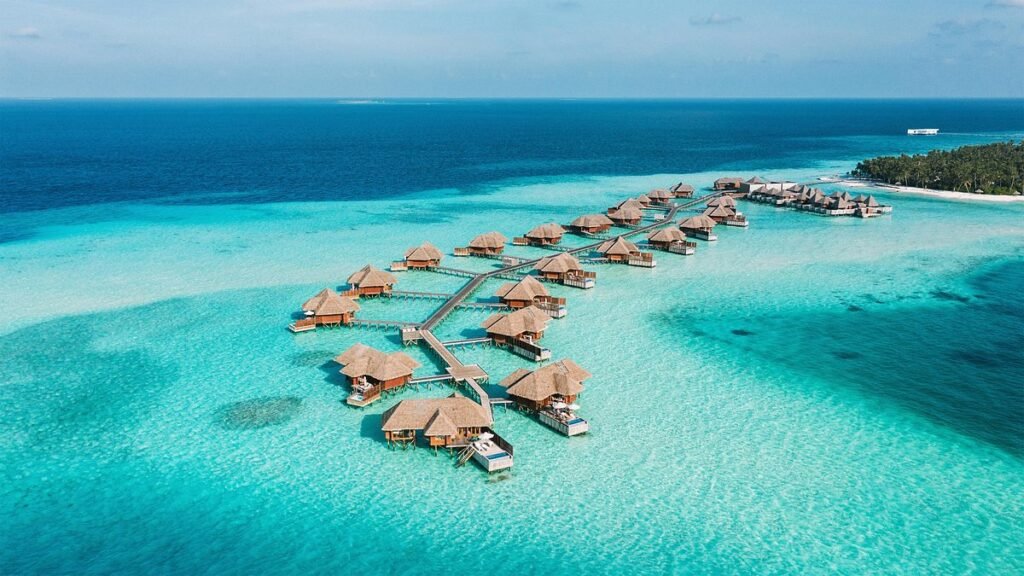
Trip 4 — The Coastal Retreat
The ocean does something to your nervous system that nothing else quite compares to.
Any coastal town works for this itinerary — small beach towns are ideal. Think Cannon Beach (Oregon), Kennebunkport (Maine), Carmel-by-the-Sea (California), or truly any quiet little beach town that isn’t overrun with crowds.
If you can, avoid peak summer weekends. Coastal trips during shoulder season — spring and early fall — are almost always more relaxed and better suited to solo travelers.
Day 1 — Arrive and Unwind
Morning: Arrive and check in to your accommodation. For a solo coastal trip, an Airbnb with a sea view is a special touch. One of the finer things in life is waking up to the sound of waves.
Go to the beach before you even finish unpacking. Take off your shoes. Stand in the water. Don’t check your phone. Just be there for a while.
Afternoon: Explore the town on foot. Coastal towns are nearly always home to great seafood joints, quirky galleries and little shops worth poking around in.
If the town has a bike rental shop, rent a bike. Coastal bike paths are a dream for solo travelers — easy, scenic and completely self-paced.
Evening: Catch the sunset from the beach. Bring a snack and a blanket. Stay until it’s fully dark. Then tuck into a late dinner at a seafood restaurant and fall asleep to the sound of the ocean.
Day 2 — Morning on the Coast and Recharge
Morning: Wake up early for a walk on the beach. Before 8 AM on the coast, it’s typically quiet and magical. Hunt for sea glass, bird-watch, daydream.
If your coastal town has tide pools nearby, early morning at low tide is the best time to visit.
Mid-morning: Find the best coffee shop in town. Sit by the window. Spend an hour journaling, reading or simply watching the world move slowly outside.
Noon: Get one last stretch of beach time before packing up. If the weather is good, swim. If not, sit and watch the water. Either way, it will feel like a proper reset.
Afternoon: Take the scenic coastal route home, if one is available. Stop at a viewpoint or two. Return home feeling like you actually went somewhere.
Solo Tip: Coastal towns can feel couple-oriented, which sometimes feels isolating when you’re traveling solo. Combat this by connecting with locals — the fisherman at the dock, the shop owner on the main street, the fellow solo traveler you’ll inevitably spot on the beach.
Trip 5 — The Wellness and Forest Escape
This is the one for when you’re truly tired.
Not just physically tired — but tired from too much screen time, too many responsibilities and not enough silence. That deep tired, the kind only trees and stillness can fix.
This itinerary is all about rest, nature and gentle movement. No packed schedules. No must-see attractions. Just space.
Day 1 — Arrive and Slow Down
Morning: Head to a forest cabin, a wellness retreat or a lodge in the trees. These are more accessible than you might think — platforms such as Hipcamp, Glamping Hub and Airbnb host plenty of woodland properties just a couple of hours from most cities.
When you arrive, resist the urge to immediately do something. Set a timer and go sit outside for 30 minutes — no agenda. Watch the trees. Listen to birds. Let your nervous system adjust to what quiet actually feels like.
Afternoon: Go for a leisurely forest walk. Not a hike — a walk. There’s a difference. A hike has a goal. This walk has no destination. Stroll the trails at whatever pace feels natural. Sit on a log. Watch a stream. Breathe.
Make full use of the hot tub, sauna or hammock, if your accommodation has one.
Evening: Prepare a simple meal if you have a kitchen in your cabin — pick up supplies from a local market before you arrive. Eating a home-cooked meal alone in a forest cabin is oddly wholesome. Read a book. Go to bed early.
Day 2 — Morning Ritual, Nature Therapy and a Soft Return
Morning: Don’t set an alarm. Wake up naturally. Make coffee slowly. Sit outside with it, even if it’s cold. Wrap yourself in a blanket. Watch the morning light filter through the trees.
Try journaling for 20–30 minutes. Ask yourself one simple question: What do I really want more of in my life? Write without editing yourself.
Mid-morning: One final slow walk. Notice things you didn’t notice yesterday — the texture of bark, the color of moss, the way the light falls differently at this hour.
Noon: Gather your belongings and leave with intention. Don’t rush back into noise. Drive home in silence or with calming music. When you return, take an hour before re-engaging with responsibilities.
Solo Tip: Forest escapes are most effective when you truly unplug. Put your phone on airplane mode for as much of this trip as you can. You don’t have to document every moment. Let this one just be for you.
How to Choose the Right Trip for You
Not sure which of these solo weekend itineraries suits you best? Here’s a simple way to decide:
| You’re craving… | Best Trip |
|---|---|
| Fresh air and big views | Trip 1 — Mountain Getaway |
| History and charm | Trip 2 — Historic Small Town |
| Great food and city energy | Trip 3 — City Food Break |
| Ocean air and total relaxation | Trip 4 — Coastal Retreat |
| Silence and deep rest | Trip 5 — Wellness Forest Escape |
For even more ideas and inspiration, visit Solo Weekend Trips — a dedicated resource for solo travelers planning their next short getaway.
2-Day Solo Trip Packing List
You don’t need much. Here is a simple packing list that applies to all five itineraries:
Clothing
- One outfit in, one spare
- One pair of comfortable walking shoes
- A light jacket or rain layer
- A comfortable evening outfit if needed
Tech
- Phone + charger
- Portable power bank
- Earbuds
- Camera (optional — your phone works just fine)
Comfort
- A book or journal
- Reusable water bottle
- Travel-size toiletries
- Any medications you take regularly
Navigation
- Downloaded offline maps
- Screenshot of your accommodation address
- Backup of your reservation confirmation
That’s genuinely it. The lighter the bag, the freer you fly.
Safety While Traveling Alone — A Few Truths
Solo travel is generally safe for most people, in most places. But being sensible about it is part of the experience.
- Trust your gut. If something doesn’t feel right — a neighborhood, a situation, a person — remove yourself. Your instincts are usually right.
- Stay connected. At the start and end of each day, check in with someone back home. A quick text is all it takes.
- Keep valuables simple. Don’t carry your passport unnecessarily. Use a money belt or hidden pocket pouch in crowded areas.
- Be visible at night. In cities, stick to well-lit, populated areas after dark.
- Don’t over-advertise that you’re alone. You don’t have to tell strangers that no one is waiting for you. It’s perfectly fine to be vague.
None of this should frighten you. Every weekend, millions of people take solo trips without issue. With a bit of awareness, it becomes second nature.
FAQs About Solo Weekend Trips
Is traveling solo for the weekend weird? Not at all. Solo travel has become incredibly common. Hotels, restaurants and attractions are all set up to welcome solo guests. Once you’ve done it once, you’ll wonder why you waited so long.
How much does a 2-day solo trip cost? It very much depends on your destination and style of accommodation. On a budget, a 2-day solo trip can cost as little as $100–$200 total. Mid-range trips typically run $200–$400.
Where’s the ideal place for a first solo weekend getaway? Start with something familiar. A historic small town within two hours of where you live is often the perfect first solo trip. It’s low-pressure, easy to get around and still feels like a real getaway.
What if I want company while traveling alone? Stay in hostels with common areas. Take guided tours. Eat at bars or counters. Join a local group activity — a yoga class, cooking demo or pub quiz. Traveling solo doesn’t mean traveling in isolation.
Is solo travel safe for women? Yes, with thoughtful preparation. Millions of women travel solo to every part of the world every year. Research your destination in advance, trust your instincts, keep someone informed of your general whereabouts and choose accommodations with strong reviews. Ask any experienced female solo traveler and she’ll likely tell you it was one of the most empowering experiences of her life.
Do I need travel insurance for a weekend trip? Your existing health insurance usually covers you when traveling domestically. Travel insurance is more worthwhile for longer or overseas trips. It’s rarely necessary for a quick 2-day domestic escape, but never a bad idea.
What if I feel lonely while traveling solo? It can happen, and it’s a completely normal part of the experience. The trick is to gravitate toward activities that naturally put you among people — a food tour, a counter seat at a café, a neighborhood event. And remember: feeling alone and feeling lonely are not the same thing. Solo travelers often find they enjoy their own company far more than they expected.
What You Really Get Out of Solo Weekend Trips
Every itinerary in this guide takes place somewhere different — mountains, towns, cities, coasts, forests.
But they all lead to the same destination: time that is entirely yours.
That’s what makes solo weekend trips unlike any other kind of travel. When you’re alone, you are fully in charge of every decision. Every discovery feels personal. Every meal, every view, every quiet moment carries a little more weight because you chose it.
You don’t need a big budget. You don’t need weeks off. You don’t need a travel partner.
All you need is a weekend, a loose itinerary and the willingness to go.
Start with one of these five itineraries. Choose the one that resonates with you today. Book the accommodation tonight. Pack light on Friday.
And go.
Safe travels — wherever your next solo weekend takes you.