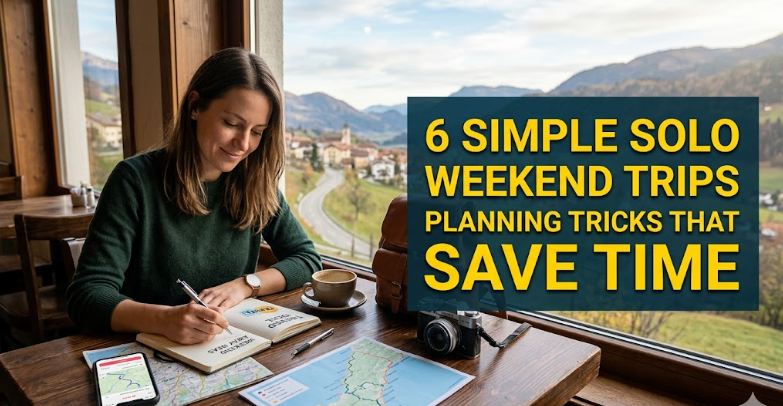
6 Simple Solo Weekend Trips Planning Tricks That Save Time
There’s a quiet kind of freedom in deciding, on a random Thursday evening, that you’ll disappear for the weekend. No committees, no debates, no waiting for someone else’s schedule to align. Just you, a small bag, and a plan that doesn’t need to be perfect—it just needs to work.
But here’s the catch most people run into: planning even a short solo trip can quietly spiral into hours of research, second-guessing, and overpacking. What starts as a simple idea becomes a tangled checklist. Ironically, the shorter the trip, the more damaging this overthinking becomes. You don’t have the luxury of time to recover from poor planning.
That’s where a few simple, practical tricks can completely change the experience. Not complicated systems. Not rigid itineraries. Just small adjustments that shave off time, reduce stress, and make the whole trip feel lighter.
Below are six such tricks—tested, practical, and surprisingly effective.
trick 1: decide the “type” of trip before the destination
Most people start by asking, “Where should I go?”
That question sounds logical, but it’s the slowest possible starting point.
A faster approach is to decide the type of weekend you want first.
Think in categories:
- quiet nature reset
- city exploration
- food-focused escape
- cultural or historical curiosity
- pure rest with minimal movement
Once you define the type, your options narrow instantly. You’re no longer scrolling endlessly—you’re filtering.
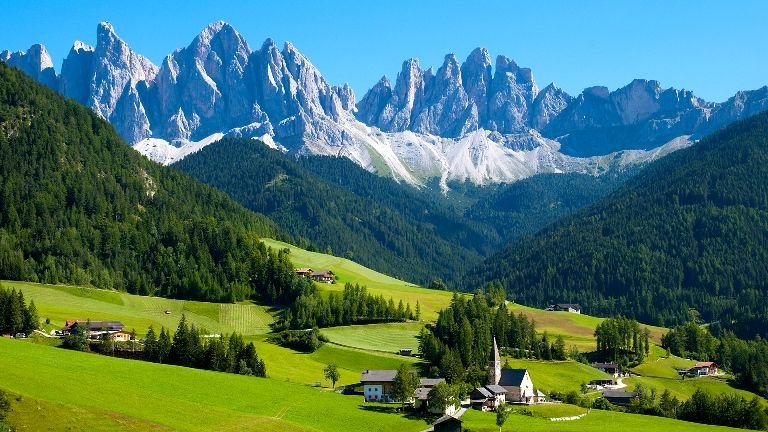
For example, if you decide you want a “quiet nature reset,” you automatically eliminate crowded cities and busy tourist hubs. Your search becomes targeted: hills, lakes, countryside stays.
This one shift alone can cut your planning time in half. Instead of exploring hundreds of options, you’re evaluating a handful that already match your mood.
A small reflection exercise helps here:
Write down:
- “I want to feel ______ by Sunday night.”
- “I don’t want to deal with ______ this weekend.”
Those two sentences quietly guide everything else.
trick 2: use the 2-hour rule for decision making
One of the biggest time-wasters in trip planning is over-research. You read ten blogs, compare fifteen hotels, and still feel unsure.
Set a strict limit:
Give yourself two hours total to make all major decisions.
Within those two hours, decide:
- destination
- accommodation
- transport
That’s it.
Here’s why this works:
After a certain point, more information doesn’t improve your decision—it just increases doubt. The difference between your second-best and fifth-best hotel is rarely noticeable for a two-night stay.
Instead of chasing perfection, aim for “good enough and booked.”
A simple structure:
- first 30 minutes: choose destination
- next 60 minutes: book stay
- last 30 minutes: finalize transport
When the timer ends, you commit. No reopening tabs the next day.
This constraint creates momentum. And momentum is what turns “I should go somewhere” into “I’m actually going.”
trick 3: pack using a fixed template
Packing is another hidden time drain. People reinvent their packing list every single trip, even though most weekend needs are identical.
Create a standard weekend packing template once—and reuse it forever.
Example template:
Clothing:
- 2 tops
- 1 extra bottom
- sleepwear
- undergarments
- light jacket
Essentials:
- toiletries kit (pre-packed, always ready)
- charger + power bank
- ID / wallet
Optional (based on trip type):
- book or journal
- swimwear
- hiking shoes
The real trick is to keep a small pouch permanently stocked with toiletries. Toothbrush, toothpaste, travel-size items—never unpack them. That alone saves 20–30 minutes every trip.
When Friday arrives, you’re not “planning what to pack.”
You’re simply executing a checklist you already trust.
Packing becomes a 15-minute task instead of a stressful hour.
trick 4: choose accommodation before planning activities
Many people make this mistake: they plan a long list of things to do, and only afterward look for a place to stay nearby.
Reverse it.
Pick your accommodation first—and let it shape your experience.
Why this works:
- location determines how much time you spend traveling vs enjoying
- a well-chosen stay can reduce the need for excessive planning
- good surroundings often provide built-in activities
For a solo weekend trip, your accommodation isn’t just a place to sleep. It’s your base, your recharge point, sometimes even your main experience.
If you stay in a scenic area, you might not need a packed itinerary at all. A morning walk, a café nearby, and a quiet evening could be enough.
This approach simplifies everything:
- fewer transport decisions
- fewer time constraints
- less rushing
Instead of managing a schedule, you’re simply living around a well-chosen spot.
trick 5: build a “loose itinerary,” not a strict schedule
A common trap in short trips is over-scheduling. Every hour gets assigned. Every attraction gets squeezed in. By Saturday afternoon, it starts to feel like work.
A better approach is a loose itinerary.
Structure your day like this:
- one main activity (must-do)
- one optional activity (nice-to-have)
- open time (unplanned)
That’s it.
Example:
Saturday:
- main: visit a scenic viewpoint
- optional: explore local market
- open: wander, rest, discover
This structure gives direction without pressure.
It also allows for spontaneity—the thing solo travel does best. Maybe you find a quiet café you want to sit in for two hours. Maybe you meet someone interesting. Maybe you just want to do nothing.
A strict schedule fights these moments. A loose one welcomes them.
trick 6: prepare a “return-to-work buffer”
Most people plan their trip carefully—but ignore what happens after they return.
Sunday night hits, and suddenly:
- bags are unpacked in a rush
- work anxiety creeps in
- the calm from the trip disappears
A simple trick solves this:
Create a return buffer.
Before your trip, decide:
- what time you’ll be home
- what minimal tasks you’ll do before sleeping
Keep it light:
- unpack essentials only
- set clothes for Monday
- glance at next day’s schedule
Nothing more.
This small buffer protects the mental benefit of your trip. You don’t crash back into routine—you ease into it.
Interestingly, this also makes planning faster. When you know your return is under control, you don’t overcompensate during the trip.

a short reflection: why these tricks work
All six tricks share one underlying idea:
reduce unnecessary decisions.
Planning fatigue doesn’t come from big choices—it comes from too many small ones.
- Where should I go?
- What should I pack?
- What if there’s a better hotel?
- Should I add one more activity?
Each question seems harmless, but together they slow everything down.
By simplifying:
- you decide faster
- you act sooner
- you enjoy more
And ultimately, that’s the goal. Not a perfectly optimized weekend—but a lived one.
a simple weekend planning example (putting it all together)
Let’s imagine it’s Thursday evening.
You decide:
“I want to feel relaxed and disconnected.”
Step 1: choose type → quiet nature trip
Step 2: 2-hour rule → destination + booking done by 9 PM
Step 3: use packing template → bag ready in 15 minutes
Step 4: pick a scenic stay → reduces need for heavy planning
Step 5: loose itinerary → one hike, one optional café
Step 6: return buffer → home by Sunday 7 PM, light reset
No overwhelm. No endless tabs. Just a clear path.
common mistakes these tricks help you avoid
- spending more time planning than traveling
- overpacking “just in case” items
- booking accommodations far from activities
- creating rigid schedules that feel exhausting
- returning home more tired than when you left
Each trick quietly eliminates one of these problems.
final thoughts
Solo weekend trips don’t need to be complicated to be meaningful. In fact, the simpler they are, the more space they create—for thought, for rest, for unexpected moments.
Planning shouldn’t feel like a second job. It should feel like the first step of the journey itself.
When you remove friction, something interesting happens:
you start taking more trips.
Not because you suddenly have more time—but because you’ve stopped wasting it.
FAQs
- how far in advance should I plan a solo weekend trip?
You don’t need weeks of preparation. With the right approach, 1–3 days is often enough. The key is making quick, confident decisions rather than stretching planning over time. - is it safe to travel alone for a weekend?
Generally, yes—especially if you choose well-known destinations, share your plans with someone, and stay aware of your surroundings. Simplicity in planning also helps you stay more present and alert. - how do I avoid overpacking for a short trip?
Use a fixed packing template and stick to it. Most weekend trips require very few items, and repeating the same system removes guesswork. - what if I regret my destination choice?
For a short trip, the impact is minimal. Focus on making the most of where you are rather than comparing it to alternatives you didn’t choose. - should I plan activities in advance or decide on the spot?
A mix works best. Have one or two planned ideas, but leave room for spontaneous decisions once you arrive. - how can I make solo trips feel less lonely?
Engage with your surroundings—cafés, walks, local conversations. Also, bring something you enjoy doing alone, like reading or journaling. Over time, solitude often becomes one of the most rewarding parts of the experience.