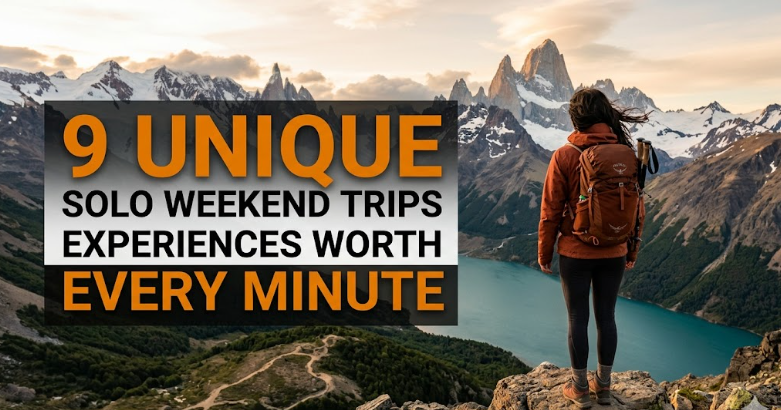
9 unique solo weekend trips experiences worth every minute
There’s something quietly powerful about stepping away from everything familiar, even if only for a weekend. No long itineraries, no complicated logistics—just you, a small bag, and a stretch of time that feels like it belongs entirely to you. Solo weekend trips are not about escape in the dramatic sense; they are about rediscovery in subtle ways. They invite you to notice details you would otherwise miss, to slow down, to listen, to think, and sometimes, to simply exist without obligation.
This isn’t a list of destinations as much as it is a collection of experiences—moments shaped by place, intention, and the willingness to be present. Each one offers something slightly different, yet all of them share a common thread: they stay with you long after the weekend ends.
- the quiet mountain reset
Arriving in the mountains alone feels different from arriving with others. There’s no conversation to fill the silence, no shared excitement to anchor your experience. Instead, there’s a deeper kind of stillness—one that can feel unsettling at first, and then slowly, incredibly grounding.
The experience begins early, often before sunrise. You wake up in a small cabin or guesthouse, the air crisp and cool. The kind of quiet you hear here is not empty—it’s full. Wind brushing through trees, distant birds calling out, maybe the soft creak of wooden walls settling into the cold.
You step outside with a cup of tea or coffee, and for a moment, nothing happens. That’s the point.
A short hike becomes your anchor for the day. Not a challenging trek, but something steady and rhythmic. Each step becomes intentional. Without conversation, your mind initially races—unfinished tasks, conversations, worries. But eventually, it slows down. Your breathing matches your pace. Your thoughts become less noisy.
By the time you reach a viewpoint or a clearing, the landscape feels less like something to photograph and more like something to absorb. You sit, maybe on a rock or just on the ground, and let time stretch.
What makes this experience unique isn’t the mountain itself—it’s the absence of distraction. You leave with something subtle: a clearer mind, a softer pace, and a renewed appreciation for quiet.
- the coastal wandering experience
There’s a certain freedom in walking along a coastline alone. The ocean doesn’t demand your attention, but it holds it effortlessly. The rhythm of waves creates a natural meditation, and without realizing it, you fall into sync with it.
You arrive on a Friday evening, just in time to catch the fading light. The sky shifts through colors you wouldn’t normally stop to notice—soft oranges, muted purples, deepening blues. You find a simple place to stay, nothing extravagant, just close enough to hear the ocean at night.
Saturday becomes a day of wandering without purpose. You walk along the shore, sometimes barefoot, feeling the sand shift under your feet. You collect small things—a shell, a smooth stone—not because you need them, but because they mark a moment.
You might sit at a small local café, watching people pass by. As a solo traveler, you become more observant. You notice interactions, gestures, patterns. You become a quiet participant in the environment rather than an active contributor.
In the afternoon, you might try something slightly outside your comfort zone—renting a bike, trying a small water activity, or simply walking farther than planned. There’s no pressure to “make the most” of your time. Ironically, that’s what allows the experience to feel full.
At night, the sound of waves replaces the usual noise of life. You sleep differently—deeper, perhaps, or at least more peacefully.
By Sunday, you realize you haven’t checked your phone as often. The ocean has done something subtle—it has stretched your sense of time.
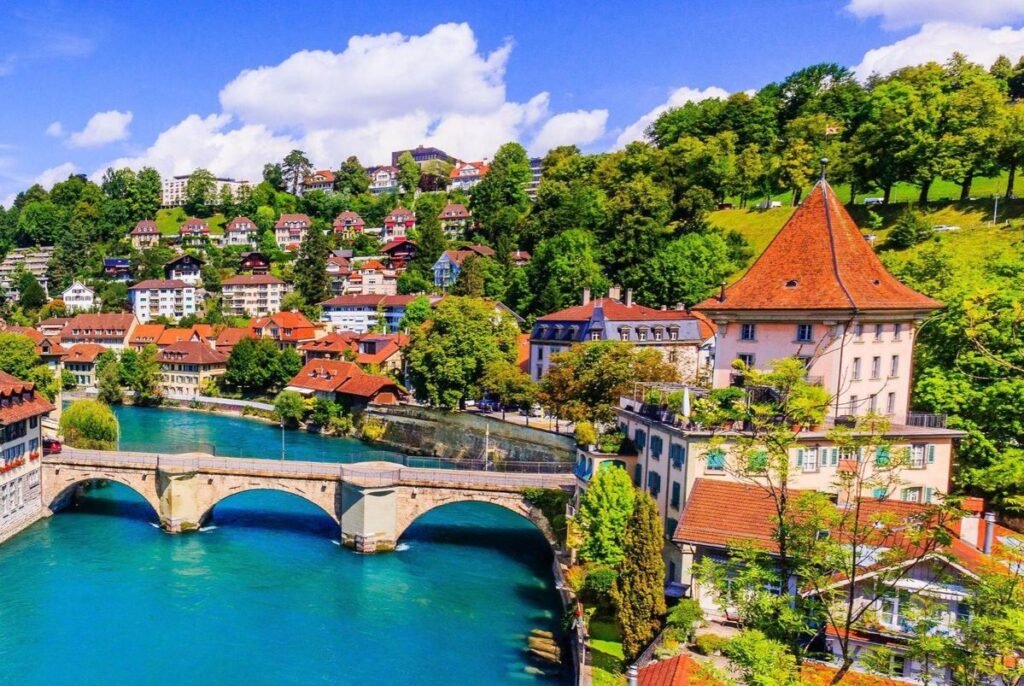
- the small-town immersion
Big cities can be overwhelming for solo travel, especially for a short weekend. But a small town offers something entirely different: intimacy.
You arrive and immediately notice the slower pace. Shops open a little later, people linger a little longer, conversations feel less rushed. There’s a sense that time isn’t being chased.
You spend your day exploring streets that don’t require a map. You walk into a bookstore, maybe spend an hour there without buying anything. You sit in a café where the owner might strike up a conversation—not out of obligation, but curiosity.
There’s something unique about being anonymous yet visible. In a small town, people notice you, but they don’t intrude. You become part of the environment in a quiet way.
You might visit a local market, try food that isn’t curated for tourists, or simply observe daily life. The experience isn’t about ticking off attractions—it’s about absorbing atmosphere.
By the end of the weekend, you feel like you’ve lived a small version of someone else’s life. It’s brief, but it’s real enough to shift your perspective.
- the creative retreat
Sometimes, a solo trip isn’t about where you go, but what you create while you’re there.
This experience is built around intention. You choose a quiet place—a cabin, a guesthouse, or even a simple room—and you bring something with you: a notebook, a camera, a sketchpad, or even just your thoughts.
The goal isn’t productivity. It’s expression.
You set small, gentle goals. Write a page. Take ten photos. Sketch something you see. Without the usual distractions, creativity surfaces differently. It’s less forced, more organic.
You might spend hours writing without realizing it, or you might struggle to create anything at all. Both are part of the process.
The key moment often comes unexpectedly. Maybe while sitting by a window, watching rain fall, or while walking without purpose. An idea surfaces—not fully formed, but enough to follow.
This experience is unique because it turns your focus inward. You’re not consuming experiences; you’re creating something from them.
You return not just with memories, but with something tangible—a piece of writing, a collection of photos, or simply a clearer understanding of your own thoughts.
- the digital detox escape
It sounds simple: turn off your phone, disconnect from the internet, and spend a weekend offline. In reality, it’s more challenging than expected—and more rewarding.
You start by informing people you’ll be unavailable. Then, you commit.
The first few hours feel strange. You reach for your phone instinctively, only to remember there’s nothing there. Time feels slower, almost uncomfortably so.
But then something shifts.
You begin to notice things you would usually ignore. The way light changes throughout the day. The sounds of your environment. Even your own thoughts, which are often drowned out by constant input.
You might read a book—not in fragments, but in long, uninterrupted stretches. You might sit without doing anything, which initially feels unproductive but gradually becomes peaceful.
Meals become more intentional. Walks become more observant. Conversations, if you have any, become more meaningful.
By Sunday, you realize you don’t miss the constant connectivity as much as you thought you would. The experience doesn’t reject technology—it simply resets your relationship with it.
- the cultural deep dive
Instead of trying to see everything, you choose one aspect of a place and explore it deeply.
It could be food, art, history, or even music. The idea is to focus rather than scatter your attention.
You might spend your entire weekend exploring local cuisine—trying different dishes, visiting markets, observing how food is prepared. Or you might focus on art, visiting galleries, street murals, or even small workshops.
What makes this experience unique is its depth. You’re not just visiting—you’re engaging.
You ask questions. You observe closely. You allow yourself to be curious.
By narrowing your focus, you actually experience more. You begin to understand not just what something is, but why it exists in that form.
You leave with a richer, more nuanced memory of the place.
- the spontaneous road trip
Planning has its place, but spontaneity has its own kind of magic.
This experience begins with minimal preparation. You choose a general direction, pack essentials, and start driving.
The freedom lies in not knowing exactly where you’ll end up.
You stop when something catches your attention—a viewpoint, a roadside café, a small shop. You change direction if you feel like it. There’s no fixed schedule.
This unpredictability creates moments you couldn’t plan. A conversation with a stranger. A hidden spot you stumble upon. A detour that turns into the highlight of your trip.
Of course, it requires a certain level of comfort with uncertainty. Not everything will go perfectly. But that’s part of the experience.
You return with stories that feel more personal, less curated.
- the wellness weekend
This isn’t about luxury spas or expensive treatments—though those can be part of it. It’s about intentional self-care.
You design your weekend around what you need. Rest, movement, reflection, or all three.
You might start your day with a slow morning—stretching, breathing, or simply sitting quietly. You might go for a walk, not for distance, but for presence.
Meals become nourishing rather than convenient. You pay attention to what you eat and how it makes you feel.
You might include simple practices like journaling, meditation, or even just spending time in nature.
The uniqueness of this experience lies in its simplicity. It doesn’t require a specific location or elaborate planning. It requires attention.
By the end of the weekend, you feel less drained, more balanced.
- the nostalgic return
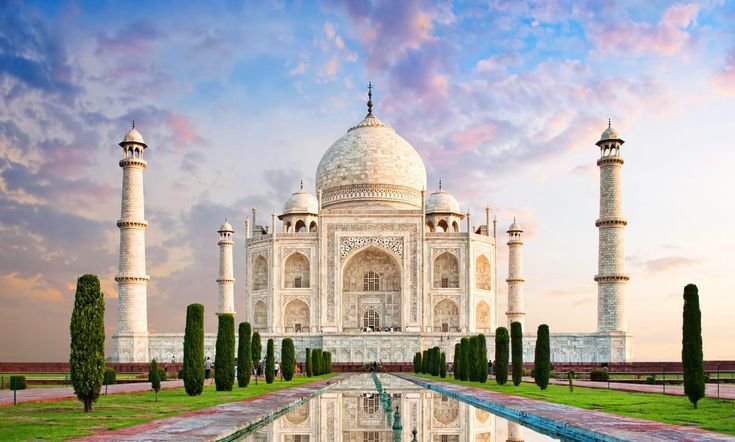
Sometimes, the most meaningful trip is not to a new place, but to an old one.
You return to somewhere that holds memories—a childhood location, a place you visited years ago, or even a city you once lived in.
The experience is layered. You see the place as it is now, but you also see it as it was.
You revisit familiar spots, noticing what has changed and what hasn’t. You reflect on who you were when you were last there, and who you are now.
This contrast creates a unique emotional depth. The trip becomes less about the place and more about your own journey.
You leave with a sense of closure, or perhaps a renewed connection to a part of yourself.
—
Solo weekend trips are often underestimated. They’re seen as too short to matter, too simple to be transformative. But that’s precisely what makes them powerful. They fit into your life without requiring major disruption, yet they offer a meaningful shift in perspective.
The key isn’t where you go—it’s how you experience it. When you remove the noise, even a short weekend can feel expansive.
You don’t need a perfect plan. You don’t need to go far. You just need the willingness to step away, even briefly, and allow yourself to experience something fully.
And sometimes, that’s more than enough.
—
frequently asked questions
- are solo weekend trips safe?
Yes, they can be very safe if you take basic precautions. Choose well-reviewed accommodations, inform someone about your plans, and stay aware of your surroundings. Trust your instincts—if something feels off, it’s okay to change plans.
- how do i choose the right destination for a short solo trip?
Focus on accessibility and simplicity. Pick a place that doesn’t require long travel time or complicated logistics. Think about what you need—rest, adventure, or reflection—and choose accordingly.
- what should i pack for a solo weekend trip?
Keep it minimal. Essentials include comfortable clothing, basic toiletries, a charger, identification, and any items specific to your activity (like a notebook or hiking shoes). Traveling light makes the experience more flexible.
- how do i deal with loneliness during solo travel?
It’s normal to feel moments of loneliness, especially at first. Instead of resisting it, try to observe it. Engage with your surroundings, talk to locals if you feel comfortable, or immerse yourself in an activity. Often, the feeling passes and turns into a sense of independence.
- is it necessary to plan everything in advance?
Not at all. Having a loose plan can help, but leaving room for spontaneity often leads to more memorable experiences. Balance structure with flexibility.
- can solo weekend trips really make a difference in mental well-being?
Yes, even a short break can have a noticeable impact. Stepping away from routine, reducing distractions, and spending time with yourself can help reset your mind and improve overall well-being.
—
A weekend may seem small in the grand scheme of things, but when experienced fully, it has the potential to stay with you for much longer.