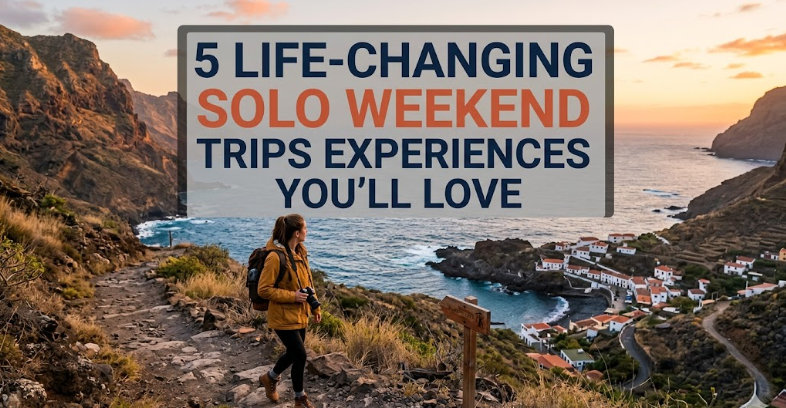
5 Life-Changing Solo Weekend Trips Experiences You’ll Love
There’s something quietly powerful about leaving your everyday life behind, even if just for a couple of days. No big suitcase, no complicated plans, no need to coordinate with anyone else’s schedule. Just you, a destination, and the subtle promise that something inside you might shift along the way.
Solo weekend trips are often underestimated. People imagine grand vacations as the only way to reset or grow. But real change doesn’t always require distance measured in miles. Sometimes, all it takes is a change in perspective, a pause from routine, and a willingness to be alone with your thoughts in a new place.
This isn’t just about travel. It’s about those quiet, transformative experiences that sneak up on you—moments that seem small at the time but stay with you long after you return home.
Below are five solo weekend trip experiences that don’t just fill your camera roll—they leave a mark.
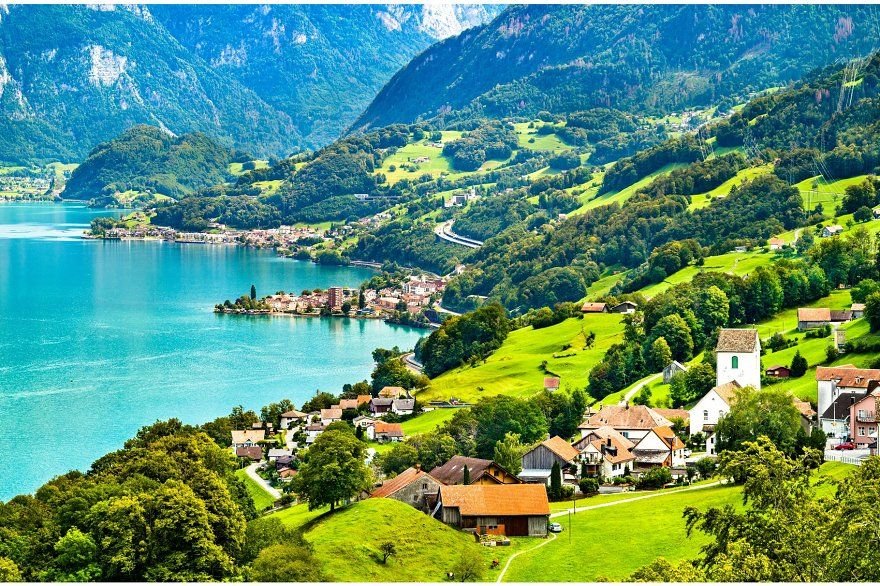
- The “no-plan” countryside escape
You leave the city early, before the noise properly wakes up. The roads are calmer, the air feels lighter, and there’s a sense of stepping out of a system you didn’t realize was exhausting you.
The destination isn’t a famous tourist spot. It might be a small village, a quiet town, or a stretch of countryside where time feels slower. You don’t book activities. You don’t create an itinerary. You just arrive.
At first, the lack of structure feels uncomfortable. You reach for your phone more often. You wonder what you’re supposed to do. But gradually, something shifts. You start noticing details—the way sunlight moves across a field, the rhythm of local life, the silence that isn’t empty but full.
You take long walks without tracking steps. You sit in places without needing a reason. You eat when you’re hungry, not when the schedule says so.
This kind of trip teaches something subtle but important: you don’t always need to fill time to make it meaningful. In fact, meaning often shows up when you stop trying so hard to create it.
By the time you leave, your mind feels less crowded. Not because you solved all your problems, but because you remembered how to exist without constantly reacting.
- The solo city immersion
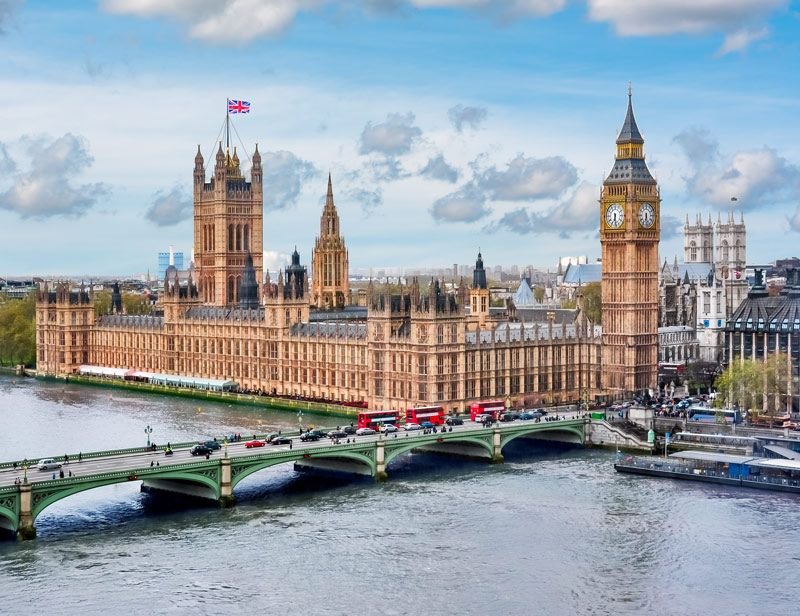
A completely different energy unfolds when you choose a busy city for your solo weekend. Instead of escaping noise, you step directly into it—but on your own terms.
You arrive in a place where nobody knows you. You walk through crowded streets anonymously. You sit in cafes alone, not as someone waiting for company, but as someone complete in their own presence.
At first, there’s a familiar discomfort. Eating alone feels exposed. Exploring without a companion feels slightly awkward. But then something interesting happens: you start observing more deeply.
You notice conversations around you. You pay attention to architecture, street performers, random interactions. Without a companion to focus on, the world itself becomes more vivid.
You make small decisions entirely for yourself. Which street to turn down. Which place to eat. How long to stay somewhere. There’s no compromise, no negotiation—just intuition guiding you.
Sometimes, you might even talk to strangers. Not in a forced way, but naturally—because being alone makes you more open to connection.
This experience builds a quiet kind of confidence. You realize you don’t need someone else to validate your presence in a space. You belong wherever you choose to be.
- The nature reset that humbles you
There’s a particular kind of clarity that only nature provides. Not the curated kind—parks or crowded viewpoints—but raw, open landscapes.
You might choose a mountain trail, a forest cabin, or a remote beach. Somewhere where your phone signal fades and your attention has no choice but to return to the present moment.
The first thing you notice is how small you feel. Not in a negative way, but in a grounding way. The problems that seemed overwhelming at home begin to shrink in comparison to vast skies and endless horizons.
You walk, hike, or simply sit. You listen—to wind, water, birds, or even just your own breathing.
Without constant digital noise, your thoughts become clearer. Not necessarily quieter, but easier to understand. You start connecting ideas, reflecting on decisions, and seeing patterns in your life that weren’t obvious before.
There’s also a physical element to this experience. Moving your body in nature—climbing, walking, exploring—creates a different kind of mental release. It’s not forced productivity; it’s natural engagement.
By the end of the weekend, you don’t feel like a different person. But you feel more aligned with yourself. Less distracted. More grounded.
- The creative solitude retreat
Not all solo trips are about exploring the outside world. Some are about turning inward.
Imagine dedicating an entire weekend to something creative—writing, sketching, photography, music, or even just thinking deeply without interruption.
You pick a quiet place. It doesn’t have to be remote. It could be a small guesthouse, a simple room with a view, or even a familiar place that feels different because of your intention.
The key is this: you create space for creativity without pressure.
You’re not trying to produce something perfect. You’re not chasing results. You’re simply allowing ideas to surface.
At first, your mind might resist. You feel restless. You question whether you’re “doing it right.” But if you stay with it, something opens up.
Thoughts become more fluid. Ideas connect in unexpected ways. You write things you didn’t know you were thinking. You create without overthinking every step.
This kind of trip reminds you that creativity isn’t something reserved for certain people. It’s a natural state that often gets buried under routine and distraction.
Even if you don’t create anything tangible, the process itself is valuable. You reconnect with a part of yourself that often gets ignored.
- The personal challenge weekend
Some trips are relaxing. Others push you.
A personal challenge weekend is about stepping slightly outside your comfort zone—not in a reckless way, but in a deliberate, meaningful way.
This could be trying something new: a difficult hike, learning a new skill, attending a workshop alone, or navigating a place where you don’t speak the language fluently.
The goal isn’t to prove something to others. It’s to test your own limits and see how you respond.
There will be moments of uncertainty. You might feel out of place. You might question your decision. But those moments are exactly where growth happens.
You learn to adapt. To problem-solve. To trust yourself in unfamiliar situations.
And perhaps most importantly, you realize that discomfort isn’t something to avoid at all costs. It’s often a sign that you’re expanding your capacity.
When the weekend ends, the sense of accomplishment stays with you. Not because everything went perfectly, but because you showed up for something that required courage.
the deeper impact of solo weekend trips
What makes these experiences life-changing isn’t the location or the activity. It’s the shift in how you relate to yourself.
When you travel alone, there’s no distraction from your own thoughts. No one else to shape your decisions. No external structure forcing your time.
This can feel uncomfortable at first. But within that discomfort lies clarity.
You start noticing your habits—how you react, what you avoid, what you seek. You become more aware of your preferences, your fears, your patterns.
Over time, this awareness translates into everyday life. You make decisions more confidently. You become less dependent on external validation. You feel more at ease being alone, not because you have to be, but because you can be.
Solo weekend trips don’t solve everything. But they create space for something important: a reset, a reflection, a reconnection.
small moments that matter more than you expect
Often, the most meaningful parts of these trips aren’t the highlights. They’re the quiet, unexpected moments.
Sitting by a window as it rains outside.
Walking through a street with no destination.
Having a simple meal that somehow tastes better because you’re fully present.
Watching a sunset without trying to capture it.
These moments don’t look impressive on social media. But they stay with you in a different way.
They remind you that life isn’t just about big achievements or constant excitement. It’s also about stillness, awareness, and the ability to appreciate what’s right in front of you.
why you might be avoiding solo trips (and why that’s okay)
Not everyone feels immediately comfortable with the idea of traveling alone. There are common concerns: safety, loneliness, boredom, uncertainty.
These concerns are valid. But they’re often amplified by habit rather than reality.
The truth is, solo travel doesn’t have to be extreme. It can start small. A nearby town. A one-night stay. A familiar environment approached in a new way.
You don’t need to become a different person to try it. You just need to give yourself permission to step slightly outside your usual routine.
And if it feels uncomfortable at first, that’s not a sign that it’s wrong. It’s a sign that it’s new.
making your first solo weekend meaningful
If you’re considering your first solo weekend trip, focus less on perfection and more on intention.
Ask yourself what you need right now. Rest? Clarity? Inspiration? Challenge?
Choose a destination and style of trip that aligns with that need. Keep things simple. Avoid overplanning.
Allow space for spontaneity. Let yourself feel whatever comes up—excitement, discomfort, curiosity.
And most importantly, don’t measure the success of the trip by how much you “do.” Sometimes, the most valuable part is simply being present in a different environment.
closing reflection
At the end of the day, solo weekend trips aren’t about escaping your life. They’re about returning to it with a different perspective.
They remind you that you can navigate the world on your own terms. That you can sit with yourself without distraction. That you can find meaning in simple experiences.
And perhaps the most important realization: you don’t have to wait for the perfect time, the perfect plan, or the perfect company.
Sometimes, all it takes is a weekend—and the willingness to go.
FAQs
- Are solo weekend trips safe?
Yes, they can be very safe if you take basic precautions. Choose destinations with good reviews, inform someone about your plans, avoid risky areas, and trust your instincts. Safety improves with preparation and awareness.
- What if I feel lonely during the trip?
Feeling lonely is normal, especially at first. Instead of resisting it, try to observe it. Often, loneliness fades as you become more engaged with your surroundings. You can also balance solitude with small social interactions if needed.
- How do I choose the right destination?
Start with your intention. If you want relaxation, choose a quiet place. If you want stimulation, pick a city. If you want reflection, go somewhere in nature. The “right” destination depends on what you need.
- Is it expensive to travel solo?
It doesn’t have to be. Weekend trips can be budget-friendly if you choose nearby locations, use public transport, and stay in simple accommodations. Planning ahead also helps reduce costs.
- What should I pack for a solo weekend trip?
Keep it minimal. Essentials include comfortable clothing, personal items, a phone charger, identification, and anything specific to your activity (like hiking shoes or a notebook). Packing light makes the experience easier.
- How can I make the most of a short trip?
Focus on quality over quantity. Don’t try to do everything. Choose a few meaningful experiences, stay present, and allow time for rest and reflection. The goal is not to rush, but to experience fully.