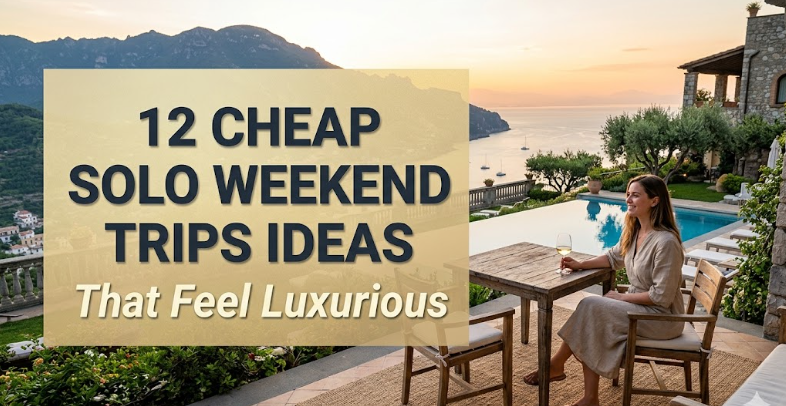
12 Cheap Solo Weekend Trips Ideas That Feel Luxurious
There’s a strange kind of freedom that only comes when you travel alone. No negotiations over where to eat. No awkward compromises about what to see. No waiting around for someone else to “feel ready.” Just you, your thoughts, and a small window of time to reset your life in ways that feel surprisingly deep for something as short as a weekend.
But let’s be honest—most people assume that feeling “luxurious” while traveling alone means spending money you don’t really have. Fancy resorts, expensive spa treatments, premium flights—those images dominate travel culture. The truth is much quieter and far more accessible: luxury is often just the absence of stress, noise, and obligation.
That’s where cheap solo weekend trips come in. Done right, they don’t feel cheap at all. They feel intentional, calming, and oddly indulgent.
Below are twelve ideas—not just destinations, but experiences. Each one is built around a feeling rather than a price tag. Because when you’re traveling solo, the feeling is everything.
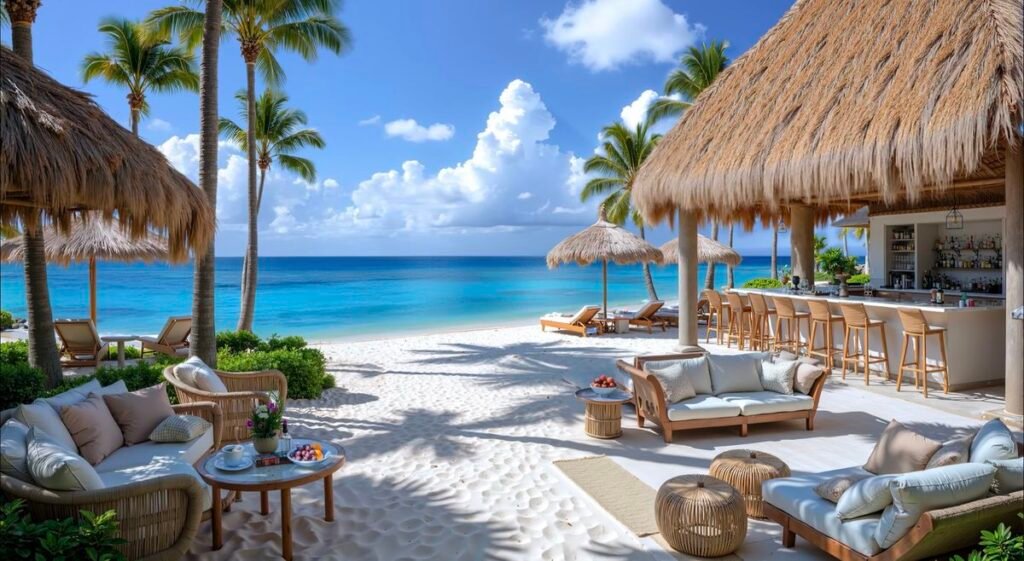
- The early morning beach reset
Arrive at a quiet coastal town late Friday evening. Don’t plan much. Grab something simple for dinner, maybe street food or a small local café, then sleep early.
The real magic begins before sunrise.
Wake up while the world is still quiet. Walk to the beach with no phone distractions. Sit. Listen. Watch the sky change colors slowly, almost reluctantly.
This is where luxury sneaks in—time that stretches, silence that feels full instead of empty, and the sense that nothing is being demanded from you.
Spend the rest of the day drifting between naps, light meals, and long walks. Avoid crowded beaches. Seek out corners where the ocean sounds louder than people.
Cheap tip: travel off-season and stay in small guesthouses. You’ll pay a fraction of peak prices and get twice the peace.
- A countryside stay that smells like earth and rain
Instead of heading to a typical tourist destination, choose a rural village or farmstay. The kind of place where mornings come with birds instead of alarms.
There’s something deeply luxurious about slowing down to the pace of nature. Drinking tea outside. Watching clouds move without urgency. Eating food that tastes like it came from somewhere real.
You don’t need curated experiences. Just walk. Notice things. Let boredom settle in—it often turns into calm.
Cheap tip: look for family-run accommodations or homestays. They often include meals and offer a more personal, grounding experience.
- The “no itinerary” city escape
Pick a nearby city you’ve never explored properly. Book the simplest place you can find in a central area. Then… plan nothing.
This is harder than it sounds.
Walk without Google Maps for a while. Get lost intentionally. Step into small shops, quiet bookstores, or cafes that aren’t trending anywhere.
Luxury, in this context, is having nowhere you must be.
Sit in a café for two hours if you want. Watch people. Write something. Or do nothing at all.
Cheap tip: cities are expensive when overplanned. They become affordable when you let curiosity guide you instead of checklists.
- A mountain retreat with minimal distractions
Mountains have a way of shrinking your problems without solving them—and somehow that’s enough.
Choose a modest cabin, lodge, or even a simple room in a hill town. Avoid places with too many “activities.” The goal isn’t to stay busy—it’s to breathe differently.
Mornings feel crisp. Evenings feel slower. And nights, especially under a clear sky, feel deeply personal.
Bring a book. Or don’t. Let your mind wander.
Cheap tip: weekdays blending into weekends (Friday-Sunday) often reduce costs significantly in mountain areas.
- A self-made spa weekend
You don’t need a five-star resort to feel pampered.
Book a quiet room somewhere calm. Pack a few small comforts: your favorite tea, skincare items, a candle, maybe even a playlist you’ve been saving.
Create your own spa experience. Long showers. Slow routines. Silence.
Order simple food. Eat slowly. Rest without guilt.
Luxury here is self-attention—giving yourself care without rushing through it.
Cheap tip: choose accommodations with bathtubs or peaceful views. That alone elevates the experience.
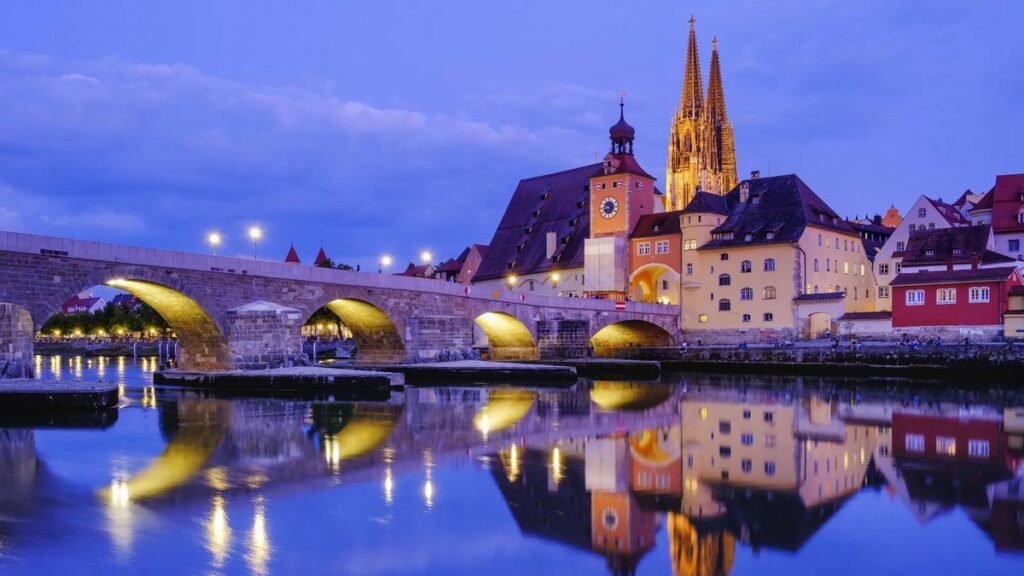
- A historical town where time feels slower
Some places don’t try to impress you. They simply exist, carrying stories in their streets, walls, and corners.
Spend a weekend in a small historical town. Walk through old streets. Sit near buildings that have stood longer than your worries.
Read about the place while you’re there. It changes how you see everything.
Luxury becomes perspective—realizing how small your stress feels in the presence of history.
Cheap tip: these towns are often overlooked, meaning lower prices and fewer crowds.
- The digital detox getaway
This one is simple but uncomfortable: go somewhere with limited internet access—or turn your phone off entirely.
At first, it feels strange. Then it feels freeing.
You begin to notice how often you reach for your phone out of habit, not need. And slowly, that habit fades.
Fill your time with real things—walking, journaling, observing, resting.
Luxury is being unreachable.
Cheap tip: remote locations naturally reduce both costs and distractions.
- A food-focused mini adventure
Pick a place known for a specific dish or cuisine. Not something fancy—something authentic.
Spend your weekend tasting. Small portions. Different places. Talk to locals if you can.
Food becomes your itinerary.
Luxury isn’t in expensive meals—it’s in discovering flavors that feel new and memorable.
Cheap tip: street food and local eateries often offer the richest experiences at the lowest cost.
- A lakeside pause
Water has a calming effect that’s hard to explain but easy to feel.
Find a quiet lake destination. Sit near the water for long stretches. Watch reflections. Notice how the world slows down around stillness.
Bring a notebook. Thoughts tend to surface more clearly in these environments.
Luxury here is mental clarity.
Cheap tip: lakeside areas often have budget accommodations just a short walk away from the water.
- The solo creative retreat
Take something with you—your camera, a notebook, sketchbook, or even just ideas.
Dedicate the weekend to creating without pressure. No audience. No expectations.
Write badly. Take random photos. Try things that don’t need to be good.
There’s a quiet luxury in expressing yourself without judgment.
Cheap tip: you don’t need a special place. Just a peaceful environment where you won’t be interrupted.
- A cultural immersion weekend
Attend something local—a small festival, a community event, a market.
Observe how people interact, celebrate, and live differently from you.
You don’t need to participate fully. Just being present is enough.
Luxury becomes connection—feeling part of something without needing to belong permanently.
Cheap tip: local events are often free or very affordable.
- The “do nothing” retreat
This might be the hardest one.
Book a simple place. Don’t plan activities. Don’t set goals.
Wake up. Eat. Rest. Repeat.
Let yourself exist without productivity.
At some point, you’ll feel the urge to “do something.” Sit with it. Let it pass.
Because true luxury, the kind most people rarely experience, is having the permission to simply be.
Cheap tip: simplicity is the cheapest and often the most impactful form of travel.
A small reflection before you plan your trip
The idea that luxury requires money is one of the most persistent myths in modern life. In reality, luxury is often about removing things—noise, urgency, expectations, and constant stimulation.
Solo weekend trips work because they are short enough to feel manageable but long enough to shift your perspective. And when you strip away unnecessary spending, what remains is something surprisingly rich.
You return not just rested, but clearer.
Not because you escaped your life—but because, for a brief moment, you experienced it without pressure.
FAQs
- Can a cheap trip really feel luxurious?
Yes, but only if you redefine luxury. It’s less about what you spend and more about how you experience your time—peace, quiet, comfort, and freedom often matter more than expensive amenities.
- What is the best way to keep solo trips affordable?
Travel off-season, choose local accommodations, avoid overplanning, and focus on experiences rather than attractions. Simplicity naturally reduces costs.
- Is solo travel safe for weekend trips?
In most cases, yes—especially if you choose well-reviewed locations, inform someone about your plans, and stay aware of your surroundings. Short trips are often easier to manage safely.
- How do I avoid feeling lonely while traveling alone?
Instead of avoiding loneliness, try reframing it. Solitude can be calming and restorative. If needed, engage in small social interactions like chatting with locals or visiting community spaces.
- What should I pack for a short solo trip?
Keep it minimal: comfortable clothes, essentials, a small personal comfort (like a book or journal), and anything that helps you relax. Overpacking adds unnecessary stress.
- How often should I take solo weekend trips?
There’s no fixed rule, but even once every couple of months can make a noticeable difference in your mental clarity and overall well-being.
If you look closely, none of these ideas require much money. What they require is intention.
And sometimes, that’s the rarest luxury of all.